
Workplace Strategy before Design
(By Gaby Chapman)
Why Workplace Strategy Before Design?
A strategy is never a bad idea, right? Whoever said it was? So why not take advantage of it? Plan ahead. Future-proof your business. Adapt to new ways of working.
The world has changed, and just like fashion and trends, the workplace evolves too. What worked five years ago might not work for your business today. The way we work, collaborate and use our office space is constantly changing, so shouldn't our workplaces change with us?
If someone approached you and said, "Hey, we offer workplace strategy. Would you be open to exploring it?" You should absolutely say yes!
Here are a few reasons why workplace strategy should come before design.
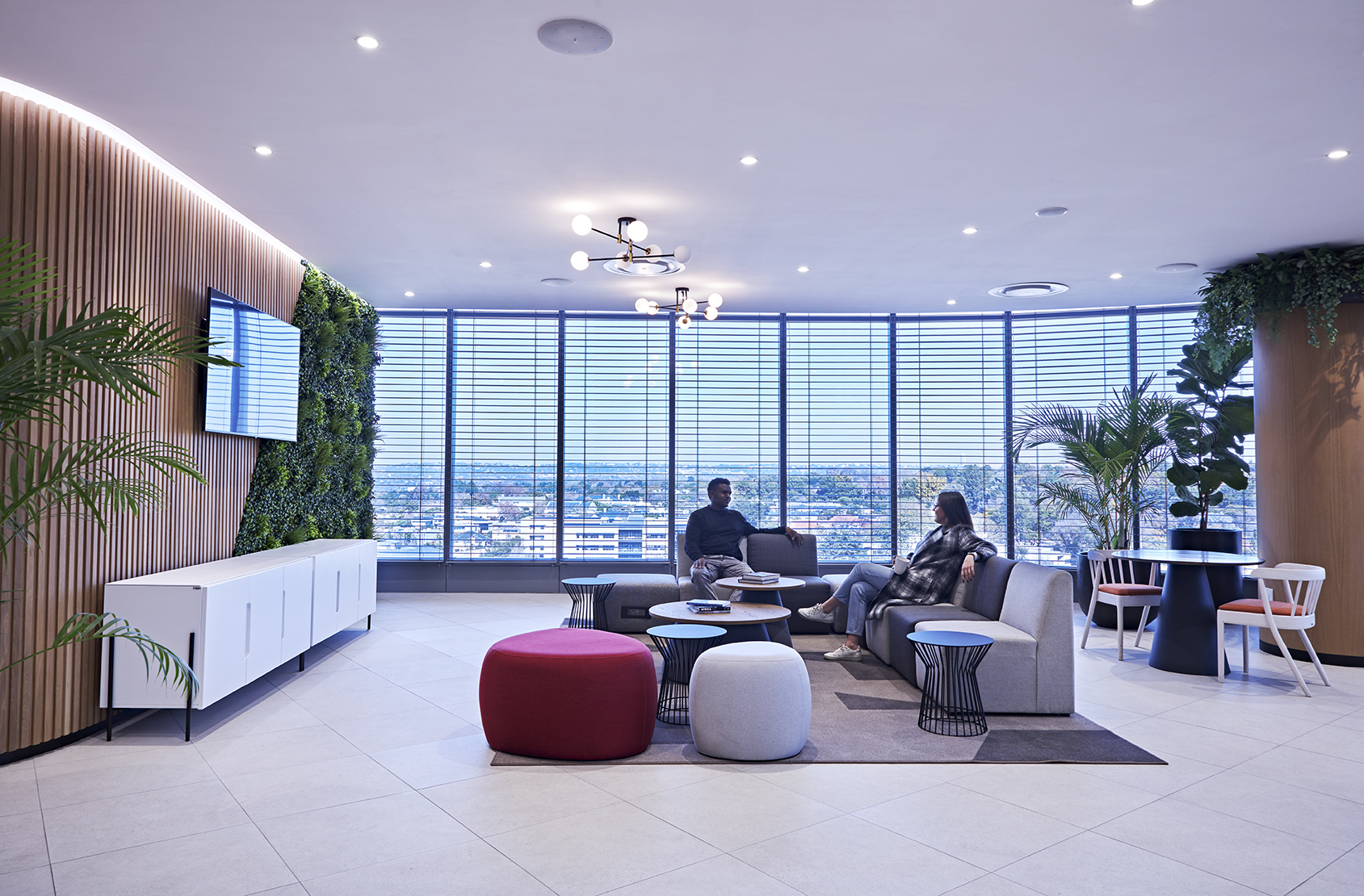
Every department works differently
Every business has its core departments that keep things running, from accounts, sales and marketing to HR, IT, EXCO and administration. But here's the thing: each department operates differently, has different priorities and needs a different environment to perform at its best.
Understanding how each team works, what they need and what challenges they face is essential to creating a workplace that actually works for them. A workplace strategy helps uncover these requirements before any design decisions are made, ensuring the final space supports your people and the way your business operates.
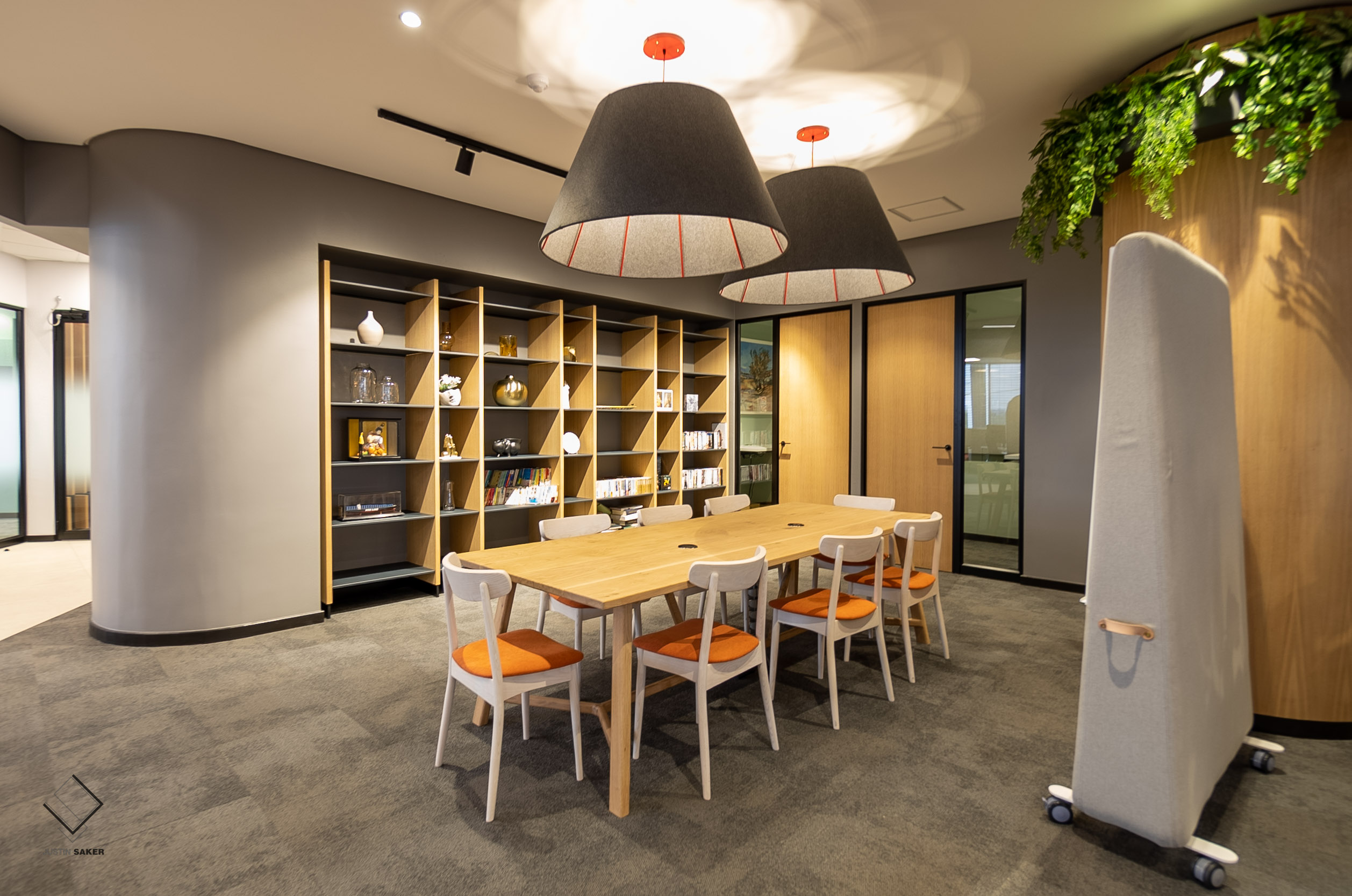
Growing, downsizing or somewhere in between?
Not sure what your business will look like in the next few years? You're not alone.
Whether you're planning to grow, downsize or simply rethink how your team uses the office, a workplace strategy helps you plan for what's next. Through multifunctional spaces, hot-desking and adaptable layouts, your office can accommodate changing team sizes and business needs without requiring a complete redesign every time something changes.
The goal is to create a space that works for you today but canadapt to whatever tomorrow brings.
Want to reduce your costs and office expenses?
Your office space could be costing you more than it needs to.
A workplace strategy allows us to analyse how your space is being used, identify under utilised areas and establish whether you're making the most of every square meter. Sometimes, it's not about finding more space. It's about making better use of the space you already have.
Different working models, such as agile and hybrid working, can also create opportunities to reduce your overall space requirements. If employees only need to be in the office on certain days, do you really need a dedicated desk for every person?
By rethinking desk allocation, introducing shared workstations and creating flexible spaces that serve multiple purposes, you could reduce your office footprint and associated costs while still providing an environment where your people can do their best
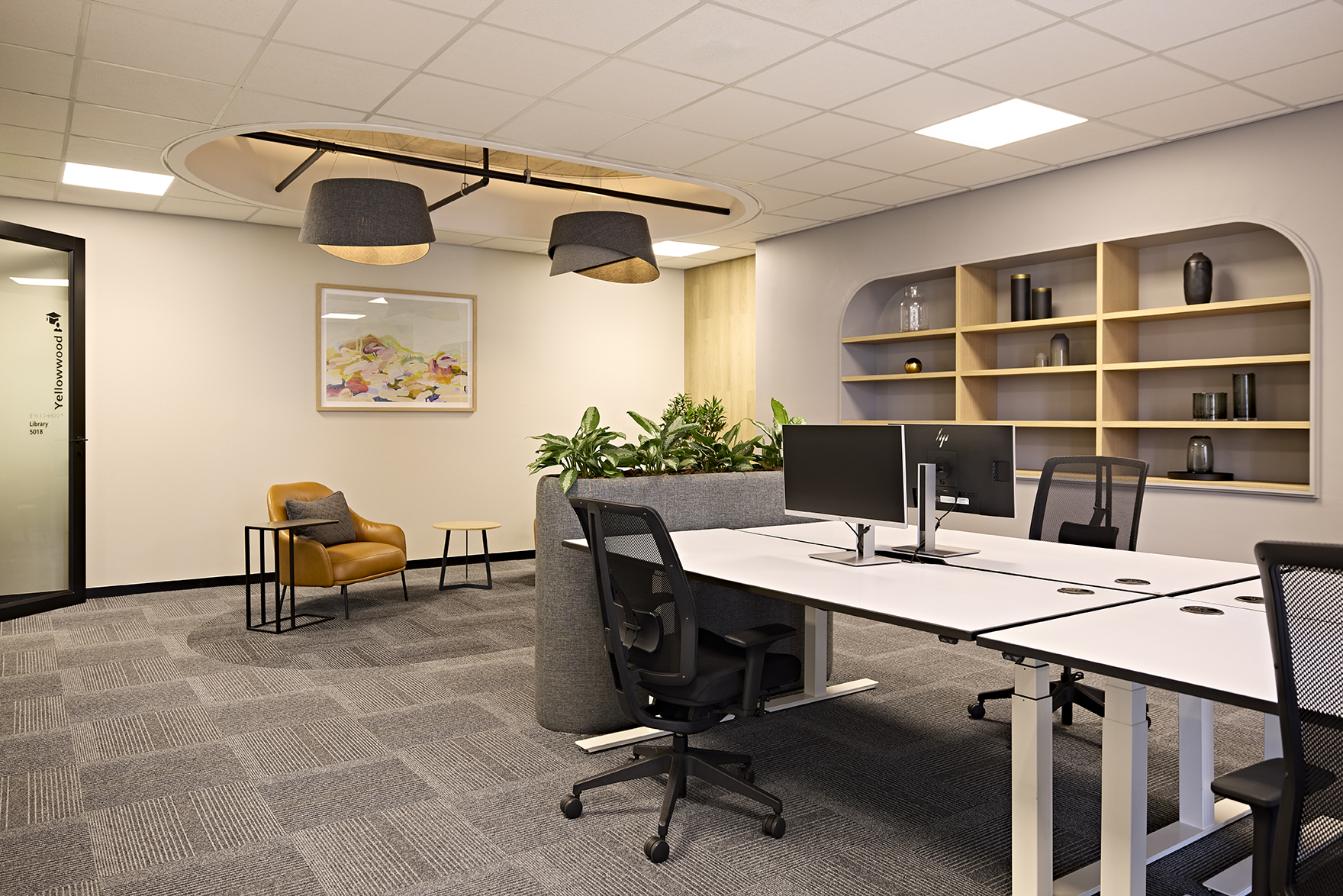
Your work culture needs a rethink?
It's 2026. We know better than to believe that culture is simply about having a fancy office, a coffee station and a few breakout areas.
Technology has made work more accessible than ever, allowing us to connect from almost anywhere and at almost any time. While this flexibility has its benefits, it has also blurred the boundaries between work and personal life. Research by Euro found that 80% of workers surveyed regularly received work-related communications outside their contractual working hours, highlighting just how difficult it can be to switch off.
This makes it even more important to understand what your employees need from their workplace. Do they need quiet spaces to concentrate, collaborative areas to share ideas, or somewhere to take a proper break? Do they feel connected to the business and supported by their working environment?
A workplace strategy gives your employees a voice. It allows them to share their frustrations, highlight what's not working and contribute ideas about what could be better. After all, they're the ones using the space everyday.
When people feel heard and their needs are considered, the workplace becomes more than just somewhere they have to be. It becomes a place where they feel comfortable, connected and that they belong.
Slowing down to get it right
We live in a world where everyone wants results yesterday. But when it comes to your workplace, rushing into the design without first understanding your business can end up costing you more than you think.
Before deciding what your office should look like, take a step back and look at how your business actually works. What are your people struggling with? What’s working well? Where are you wasting space, time or money? And what will your business need in the years to come?
These are the questions worth spending time on before a single design decision is made. Because if you don't understand the business, how can you design a space that truly works for it?
Your office is one of your biggest business expenses, and your people are one of your most valuable assets. The space you invest in should support both. Taking the time to get the strategy right isn't a delay in the process. It's what helps you avoid costly mistakes, make better use of every square metre and get real value from your investment.
Slow down at the start, ask the right questions and make strategy a priority. The goal isn't just to create a great-looking office. It's to create a workplace that earns its keep and works for the people who bring your business to life.
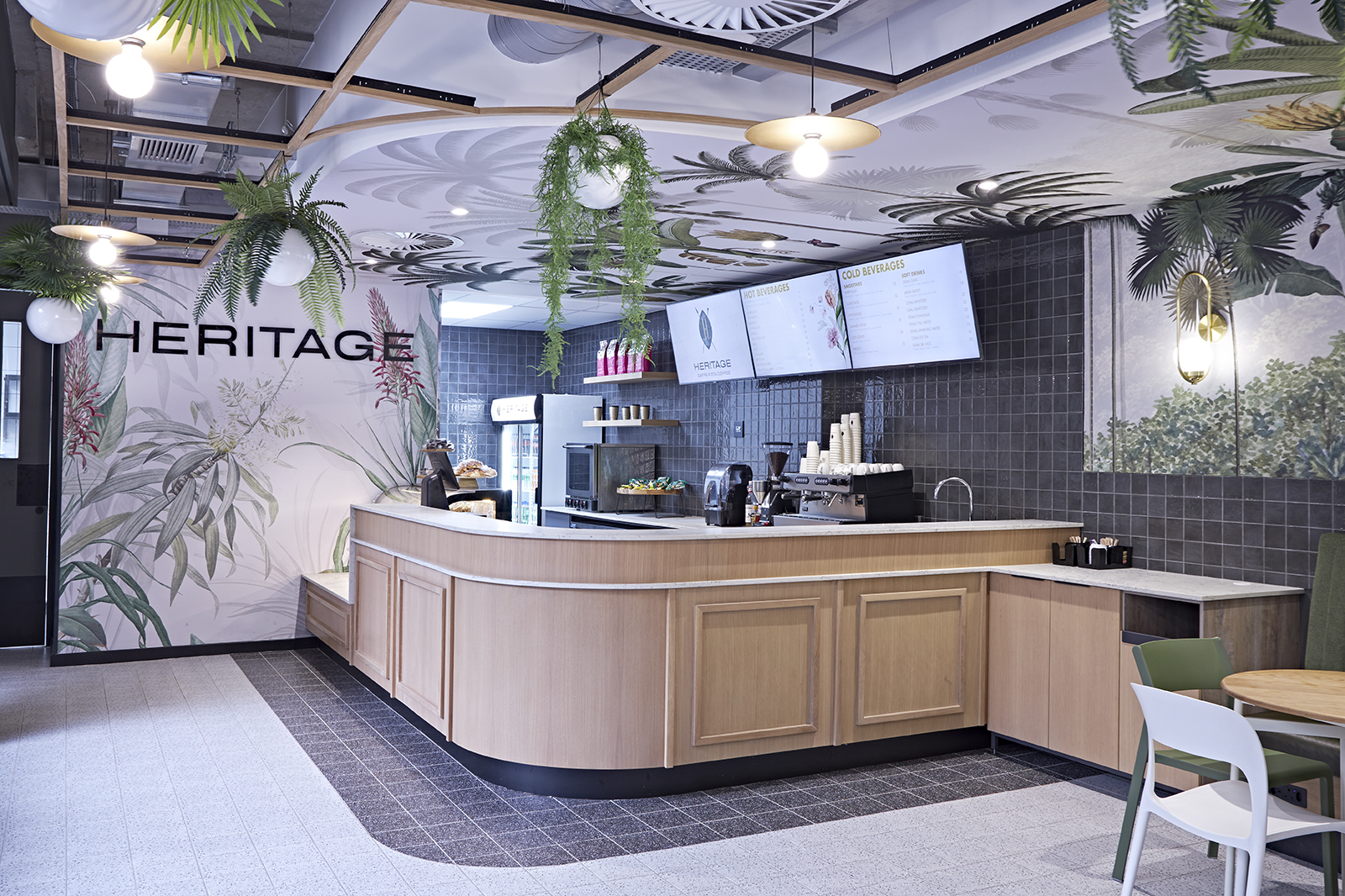
Understanding comes first. Design follows.
Here's the thing: a successful workplace starts with understanding, not design.
That's what workplace strategy is all about. It lays the groundwork for informed decisions, helping us understand what your business needs before we start thinking about how it should look.
The design is the fun part. Seeing the ideas come to life, bringing your brand into the space and creating an environment your people are excited to be in is what makes the process so rewarding.
But the real win? A workplace that functions better, makes smarter use of space, supports its people and is ready for what's next. That's where the real value lies.
Sources to reference
- Eurofound (2023), Right to disconnect: Implementation and impact at company level.
- OECD, How’s Life in the Digital Age?.
- Systematic review and meta-analysis (2023), ICT-assisted after-hours work and work–life management.