Modern workplaces didn’t arrive here overnight. They evolved through distinct design eras, each responding to changing ways of working and changing expectations of what an office should look like, feel like and how it should function.
Traditional Office Design
Historically, workplace design was driven by efficiency and practicality. Cubicles, harsh fluorescent lighting, grey carpets and neutral colour palettes dominated office spaces, prioritising cost-effectiveness over employee experience. The emphasis was on maximising space rather than fostering creativity or well-being.
Rise of Open and Collaborative Spaces
Over time, businesses recognised the need for collaboration and flexibility, leading to open-concept offices. Glass partitions, shared workstations, and communal areas became common, encouraging teamwork and communication.
However, the lack of privacy and noise control in some open offices led to challenges, sparking the next wave of design innovation.
Modern Luxury Emergence
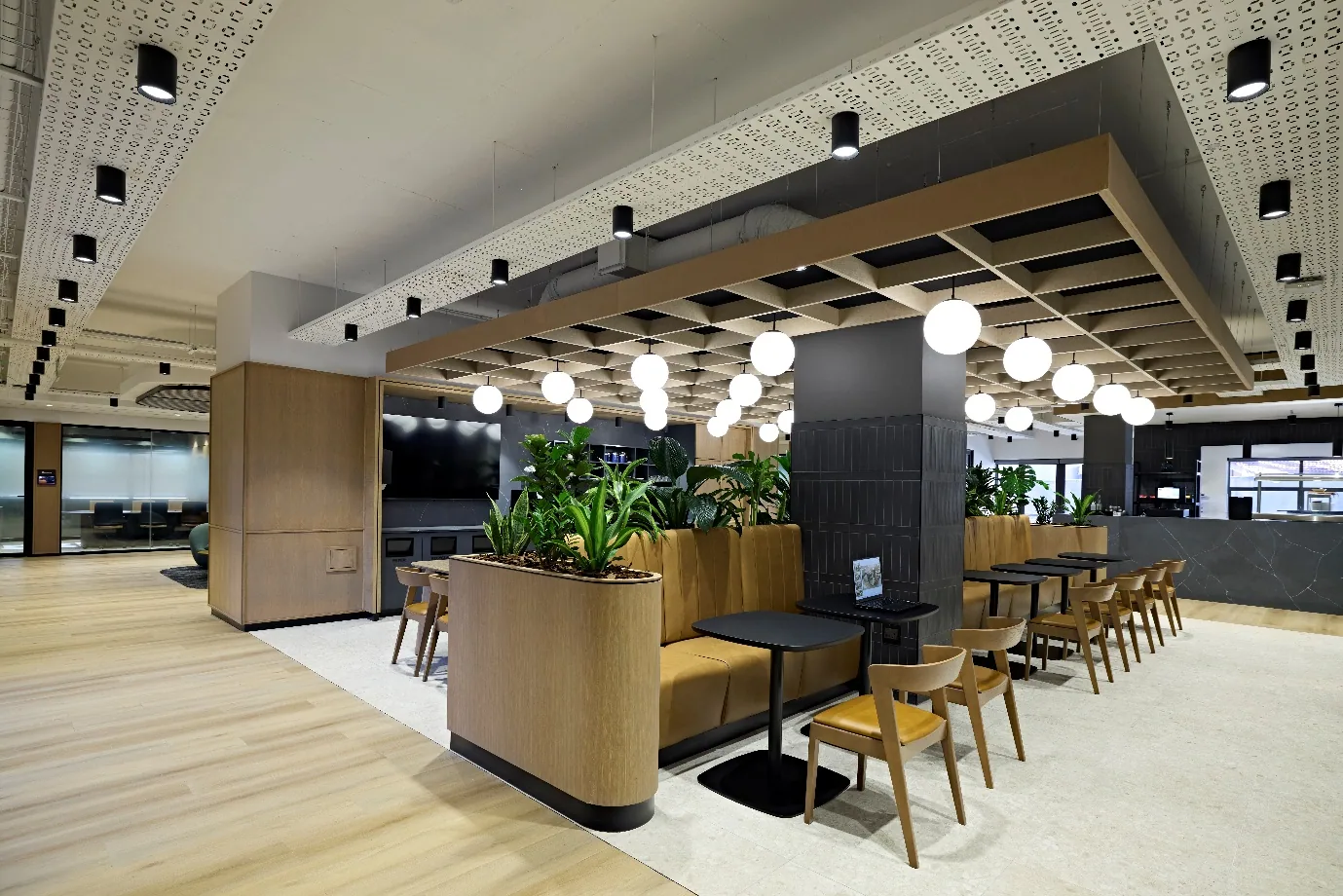
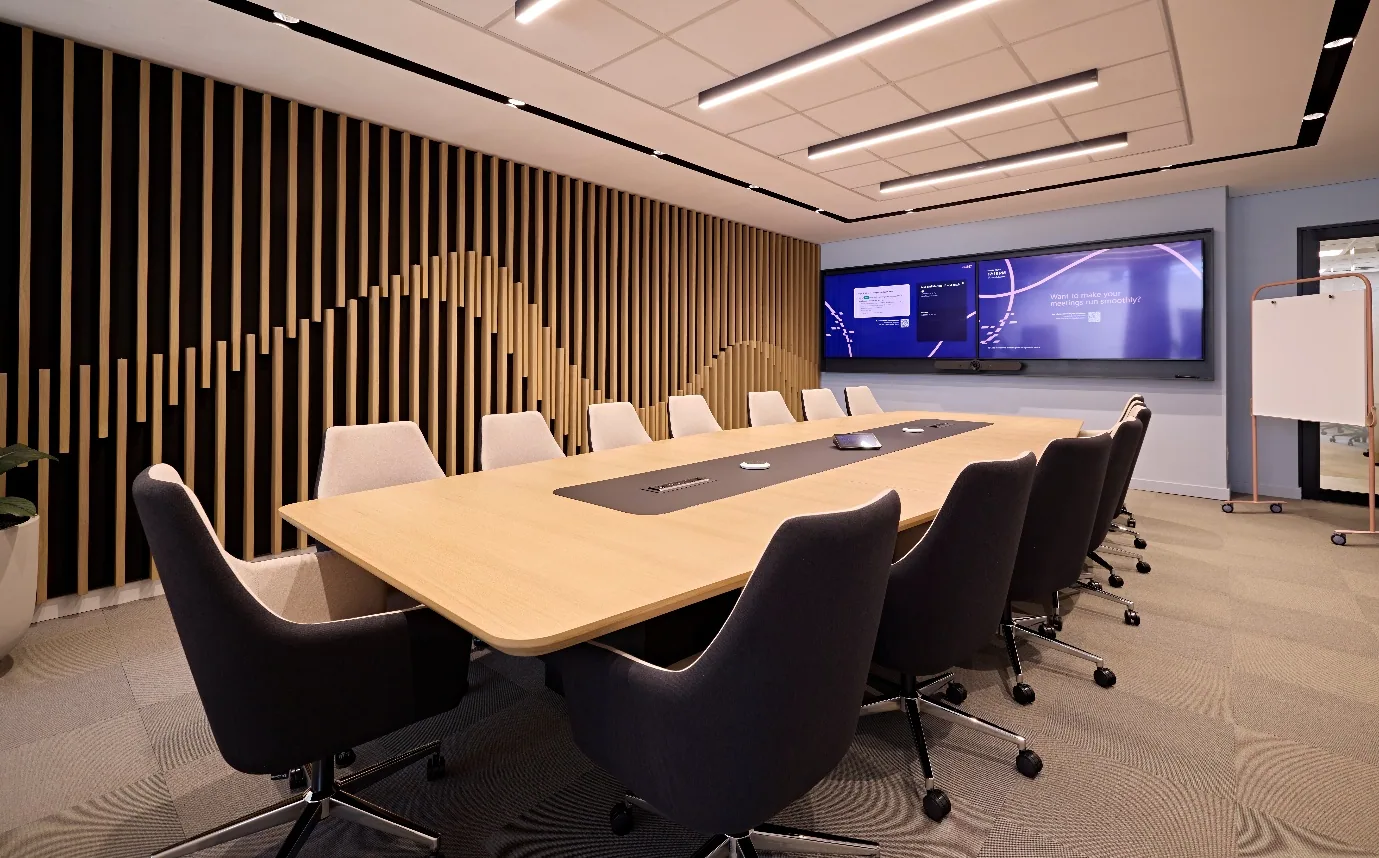
Today, workplace design integrates the best of both worlds: functionality and elegance. Inspired by hospitality and residential aesthetics, modern luxury workspaces blend sophistication, comfort, and advanced technology to create an experience-driven environment that enhances both productivity and well-being.
The Benefits of Modern Luxury Workplace Design
Enhanced Brand Image: A luxurious office space creates a positive and lasting impression on clients, investors, and visitors, conveying professionalism and success.
Attracting and Retaining Talent: A high-end, comfortable, and inspiring work environment can be a major draw for top talent in a competitive job market, signalling that the company values its employees.
Boosted Employee Productivity and Well-being: Comfortable, stylish, and well-equipped spaces promote focus, creativity, collaboration, and overall job satisfaction. Ergonomic design reduces discomfort and fatigue.
Improved Collaboration: Thoughtfully designed layouts with communal areas and flexible meeting spaces encourage interaction and teamwork.
Stronger Company Culture: A well-designed office that reflects the company's identity strengthens belonging and reinforces organisational values.
The workplace has shifted from being somewhere people simply work to somewhere they choose to connect, collaborate and belong.