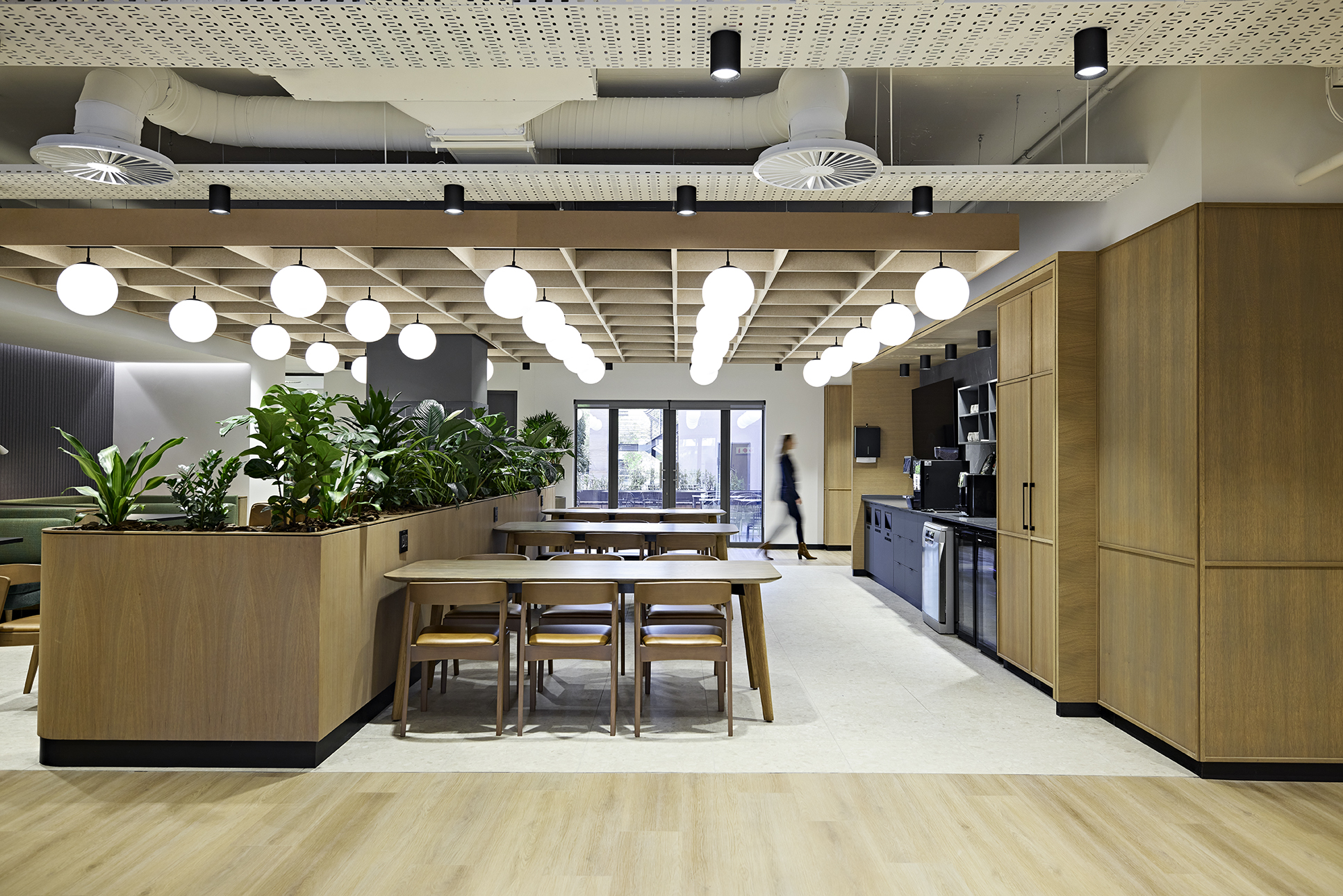
We all know what ROI means, right? Return on Investment. It's the measure businesses use to determine whether the money they've spent is delivering value.
But what about ROE? Return on Engagement.
It's a slightly different way of looking at the workplace. Instead of focusing purely on what your office costs, it asks a much more interesting question: What are you actually getting out of the people who use it?
Businesses invest significant amounts of money in their office spaces. Beautiful interiors, ergonomic furniture, meeting rooms, breakout areas and all the latest technology. However, if your employees aren't engaged, or collaborating or enjoying being there, is that investment really paying off?
A workplace should do more than look good. It should make people want to be there. An office worth leaving home for.
Let's face it. Working from home has its perks. No commute. No traffic. No fighting over the office temperature. And, if we're being completely honest, the opportunity to work in your slippers. So, what makes someone want to leave all that behind and come into the office?
The answer isn't necessarily a bigger desk or a fancier coffee machine. It's about creating an experience that employees can't easily replicate at home. The opportunity to connect with colleagues, exchange ideas, learn from one another and feel part of something bigger.
When a workplace encourages meaningful interaction and makes collaboration easier, coming into the office becomes less of an obligation and more of a choice. That is what businesses should be aiming for.
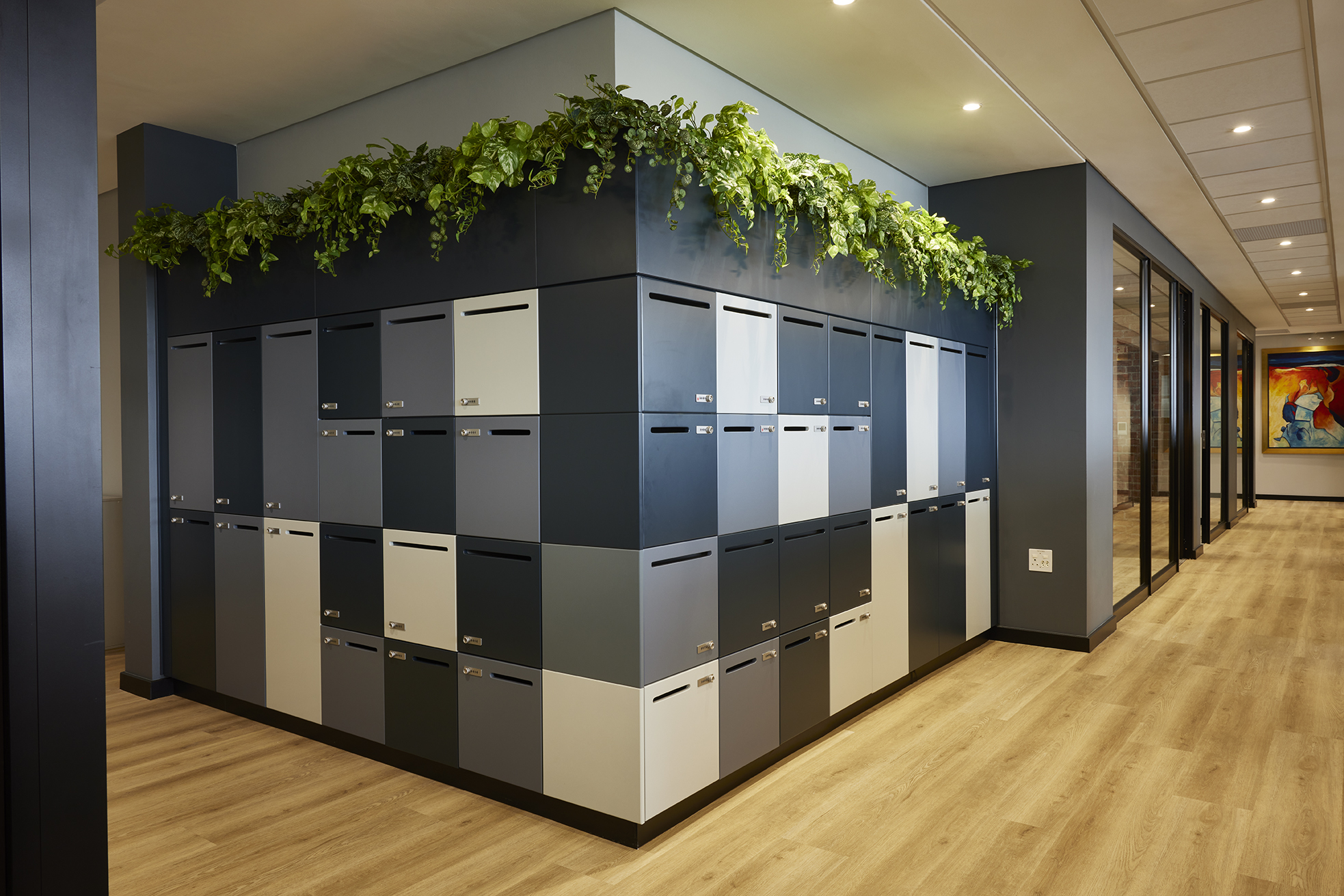
Engaged employees are good for business.
Happy employees make for a happy workplace. We've all heard that one before. But engagement goes a little deeper than happiness.
An engaged employee feels connected to their work, understands their contribution to the business and is motivated to do their best. They're more likely to participate, collaborate and contribute ideas that move the business forward. And there's a business case for it too.
Gallup's research has consistently identified a relationship between employee engagement and business performance, including productivity, profitability and employee retention. Of course, a well-designed office isn't going to solve every engagement problem. Leadership, communication, recognition and company culture all play their part. But the physical environment can certainly help.
Spaces that encourage spontaneous conversations, make teamwork easier and provide opportunities for both social interaction and focused work can support the behaviours that businesses want to see. The workplace becomes more than somewhere people complete tasks. It becomes an environment that helps them perform at their best.
Collaboration doesn't happen by accident.
Ever had your best idea during a conversation you weren't expecting to have? Perhaps it was over coffee, walking between meetings or chatting to someone from another department. These informal interactions might seem insignificant, but they can be incredibly valuable. They help build relationships, encourage knowledge-sharing and create opportunities for ideas that might never emerge during a scheduled Teams meeting.
This is where thoughtful workplace design can make a difference. Creating shared spaces, comfortable social areas and natural meeting points encourages people to interact beyond their immediate teams.
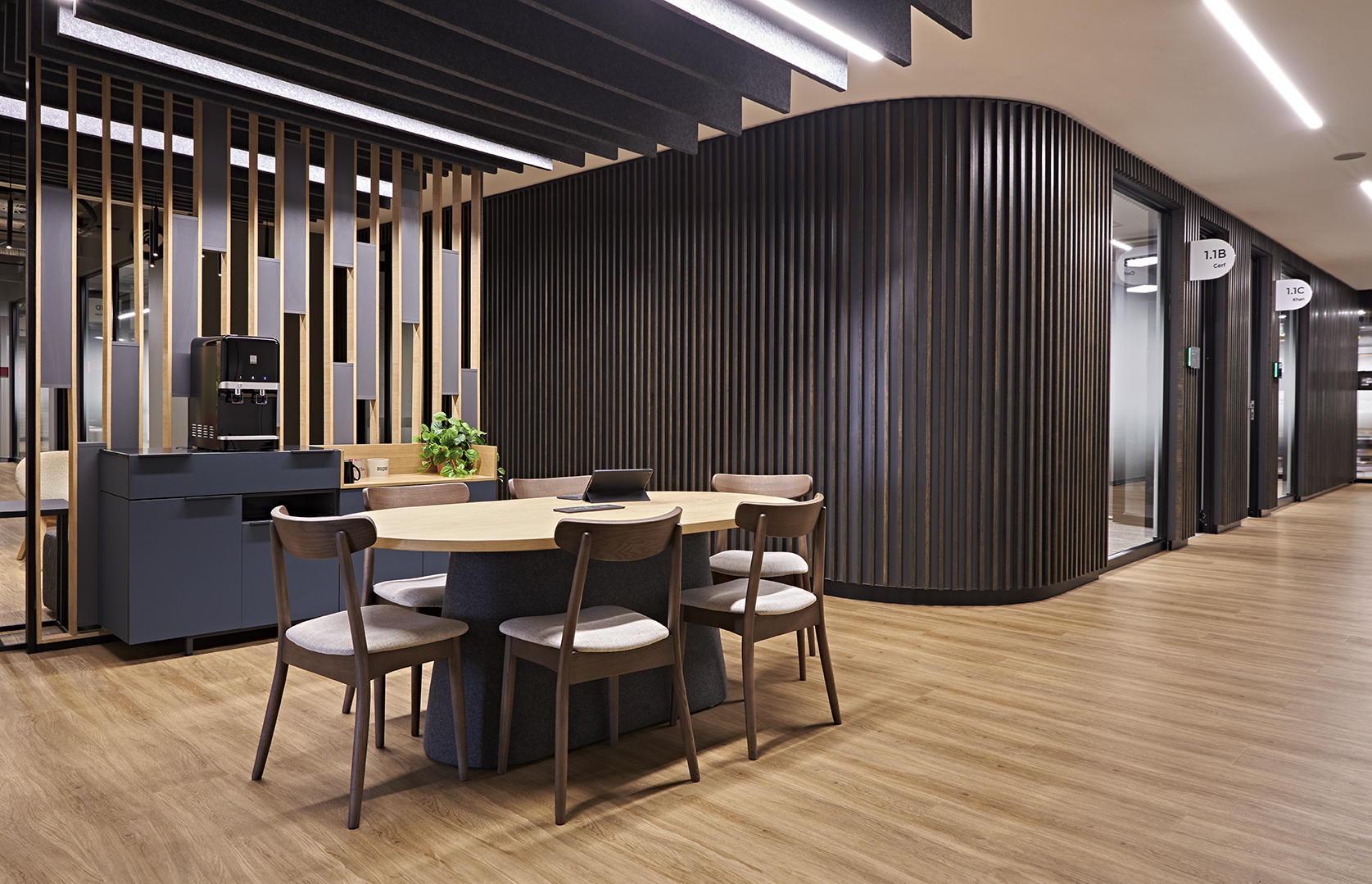
It's not all about being together.
While collaboration is important, not every task requires a conversation. Sometimes, people just need a little peace and quiet. Open-plan offices have their benefits, but constant noise, interruptions and distractions can make focused work difficult. That's why balance matters. Quiet zones, private booths, flexible meeting spaces and areas for individual work give employees the freedom to choose an environment that suits the task at hand. One moment might call for a lively brainstorming session. The next might require an hour of uninterrupted concentration. A workplace that supports task-based working is far more likely to keep people comfortable, productive and engaged throughout the day. Some days call for collaboration, others call for a little peace and quiet. A good workplace makes room for both.
How do you actually measure engagement?
Measuring the financial return on an office investment is relatively straightforward. You can look at rental costs, space utilisation, operating expenses and the savings achieved through more efficient layouts.
However, here's where things get interesting. How do you put a number on better collaboration, stronger relationships or employees who genuinely enjoy coming to work? It's not quite as simple.
Employee surveys, workplace utilisation studies, attendance patterns and feedback sessions can all provide valuable insights into how people experience their working environment. You can also look at broader business indicators, such as retention, absenteeism, productivity and employee satisfaction.
The important thing is to establish what success looks like before making changes. Are you trying to encourage more collaboration? Improve employee wellbeing? Bring teams together more frequently? Or create an environment that attracts and retains talent?
Once you understand what you're trying to achieve, you can begin measuring whether your workplace is helping you get there. And that's when Return on Engagement becomes more than just another business acronym. It's about turning those ambitions into something measurable.
Designing for people, not just square metres.
For years, workplace efficiency has largely focused on how much space a business needs and how many people can fit into it. And while making efficient use of space remains important, there's a bigger picture to consider.
An office that accommodates 100 employees isn't necessarily a successful workplace simply because it has 100 desks. What matters is how those employees experience the space, how effectively they work within it and whether the environment supports the business they're there to help grow.
This is why understanding people should always come before making design decisions. How do teams interact? Where do they struggle? What makes them feel connected? What would genuinely improve their working day? Answering these questions helps create workplaces that are not only visually appealing but also purposeful, adaptable and genuinely valuable. An office can look beautiful, but what really matters is how well it works for the people in it.
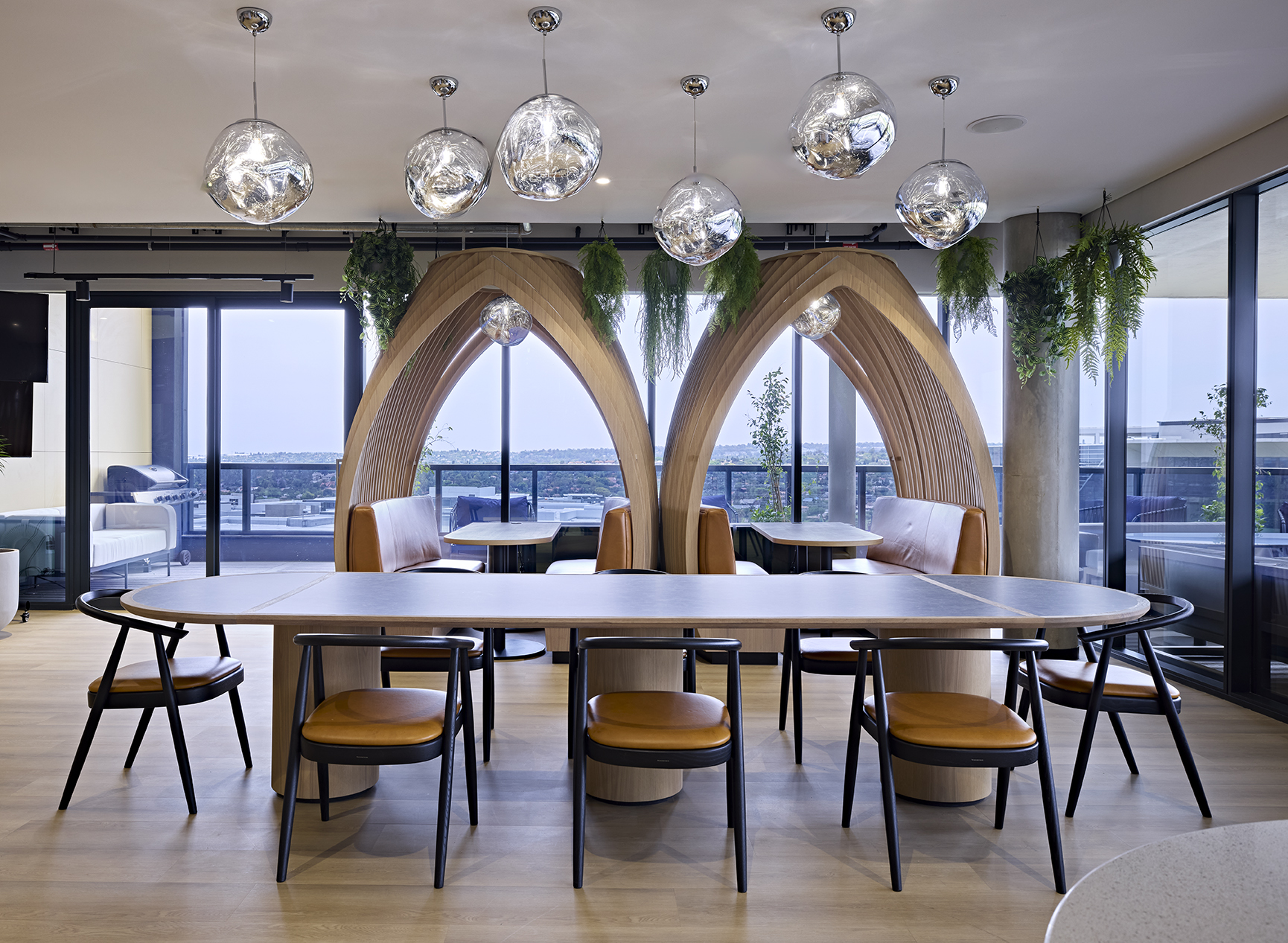
The real return on your workplace.
The value of a workplace goes far beyond what appears on a balance sheet. Of course, budgets matter. Businesses need to make sensible financial decisions, manage their property costs and ensure they're getting value from their investments. However, focusing exclusively on cost can mean overlooking one of the most valuable assets a business has: its people.
When employees feel connected, supported and motivated, the benefits can extend well beyond the office walls. Better collaboration. Stronger relationships. Greater creativity. A more positive working culture. And potentially, a better-performing business. Design is what brings everything together. It transforms a space into a workplace that encourages connection, supports different ways of working and makes people want to be there.
But the real value lies in what happens beyond the design. A workplace that supports your people, helps them thrive and allows them to do their best work is an investment that goes far beyond aesthetics.