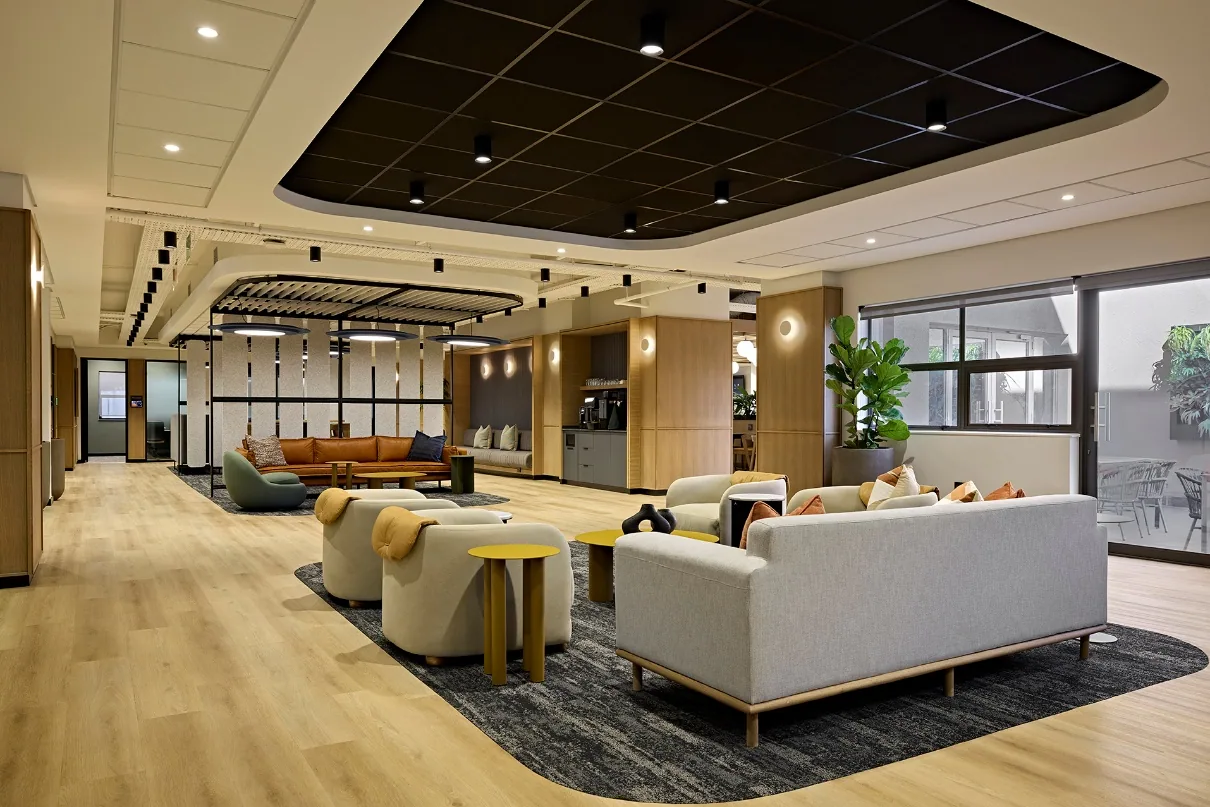
Workplace design has evolved significantly over the past 15 years. While we’re happy to leave behind many of the harsh and overly flashy trends of the past, certain design philosophies have endured and continue to shape the industry. Among them, the definition of modern luxury has undergone a meaningful transformation, emerging as a defining design aesthetic that is increasingly influencing how we envision and engage with workplace environments.
Where offices were once defined by a superficial take on luxury, characterised by dull grey palettes, uninspiring layouts, and with splashes of corporate colour, they are now being reimagined as warm, sophisticated, hospitality-led spaces that feel less like an office and more like a home or boutique hotel. This evolution goes far beyond surface-level aesthetics; it’s driven by technological innovation, a heightened focus on sustainability, and an urgent need to create environments that nurture wellbeing, spark creativity, and encourage meaningful social connection.
To fully appreciate this shift, we need to explore the journey that brought us here, what has changed, why it matters, and why the world of design is more exciting now than ever before.
Moving Beyond Materialism
Driven by a growing awareness of our environmental impact and further emphasised by the pandemic's influence on our consumption habits, modern luxury interior design is undergoing a profound transformation. It's moving away from ostentatious displays of wealth towards a more refined and purposeful approach, emphasising quality over quantity, design innovation over excess, and the seamless integration of function and aesthetics.
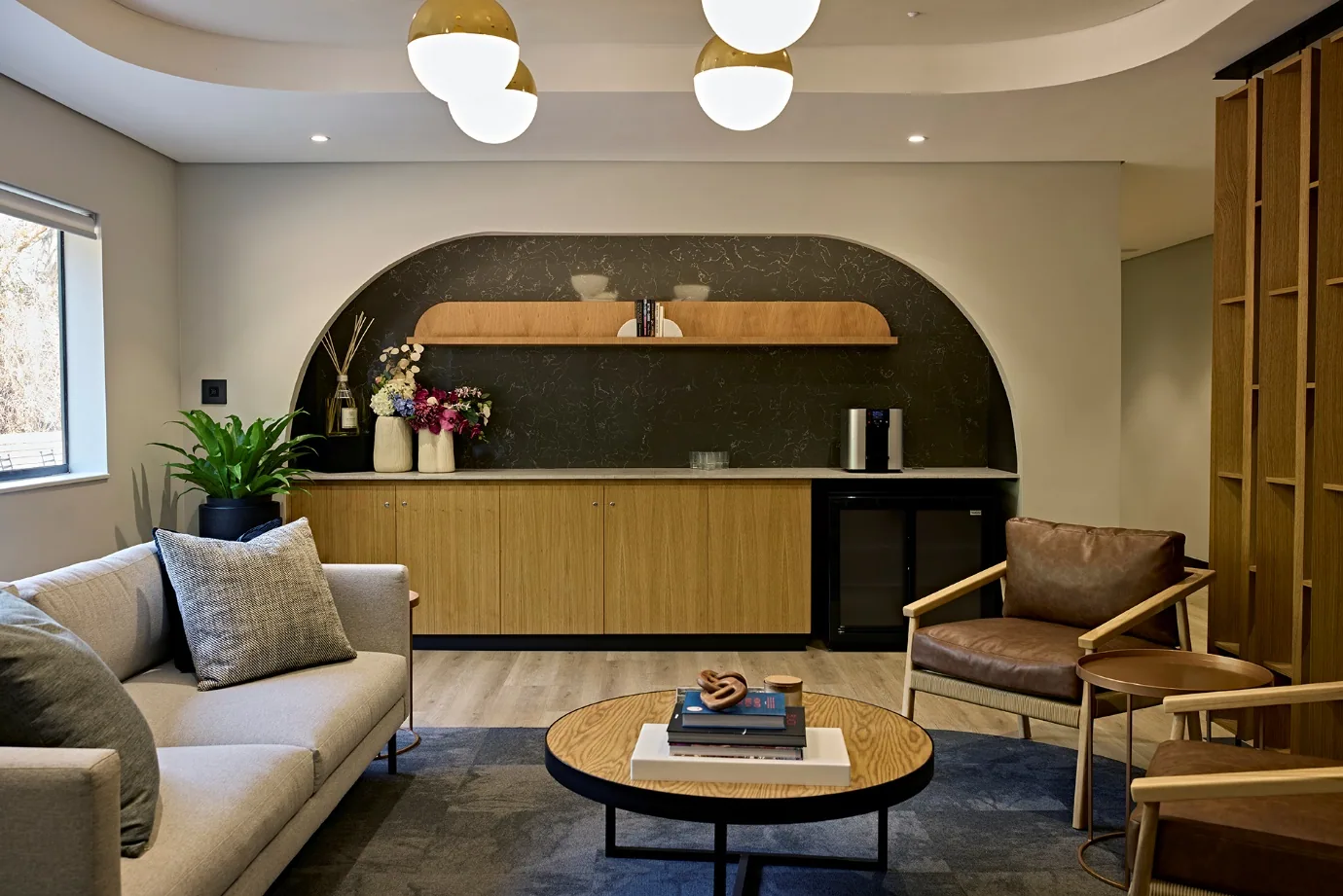
For today's discerning consumer, luxury transcends mere material possessions, embracing experiences, personalisation, and a deep-seated focus on quality, authenticity, and ethical responsibility.
Redefining Luxury
The contemporary definition of luxury extends far beyond the tangible. It's about creating memorable, personalised experiences, whether through exclusive travel, curated events, or bespoke services. Consumers are increasingly seeking products and services that cater to their individual needs and preferences, fostering a sense of exclusivity and connection.
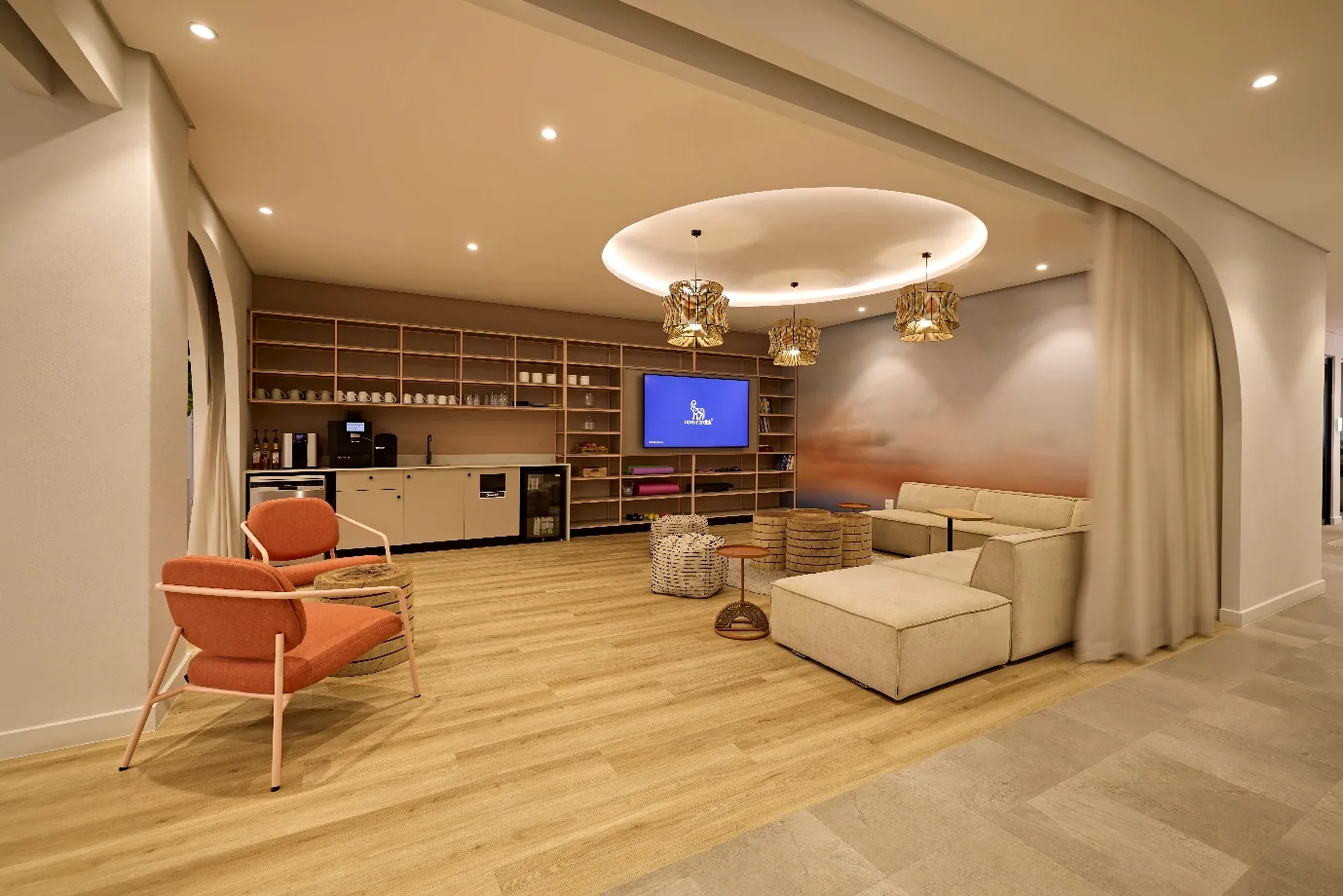
Authenticity and storytelling have become paramount. Luxury brands are expected to possess a compelling narrative and genuine values, allowing consumers to connect with their heritage and ethos. Furthermore, sustainability and ethical responsibility are no longer optional extras but core tenets of modern luxury. Conscious consumers prioritise brands that demonstrate ethical practices and sustainable production, reflecting a growing awareness of environmental and social impact.
Our Seven Modern Luxury Principles
Key design elements of modern luxury go beyond surface-level opulence, focusing on creating sophisticated and functional spaces that prioritise quality, comfort, and well-being.
Quality Over Quantity
Modern luxury design relies on the inherent beauty and durability of premium materials. Think natural stones like marble and granite, rich hardwoods, fine leathers, luxurious textiles (silk, wool, cashmere), and high-grade metals. The focus is on authenticity and tactile experiences.
Sophisticated Colour Palettes
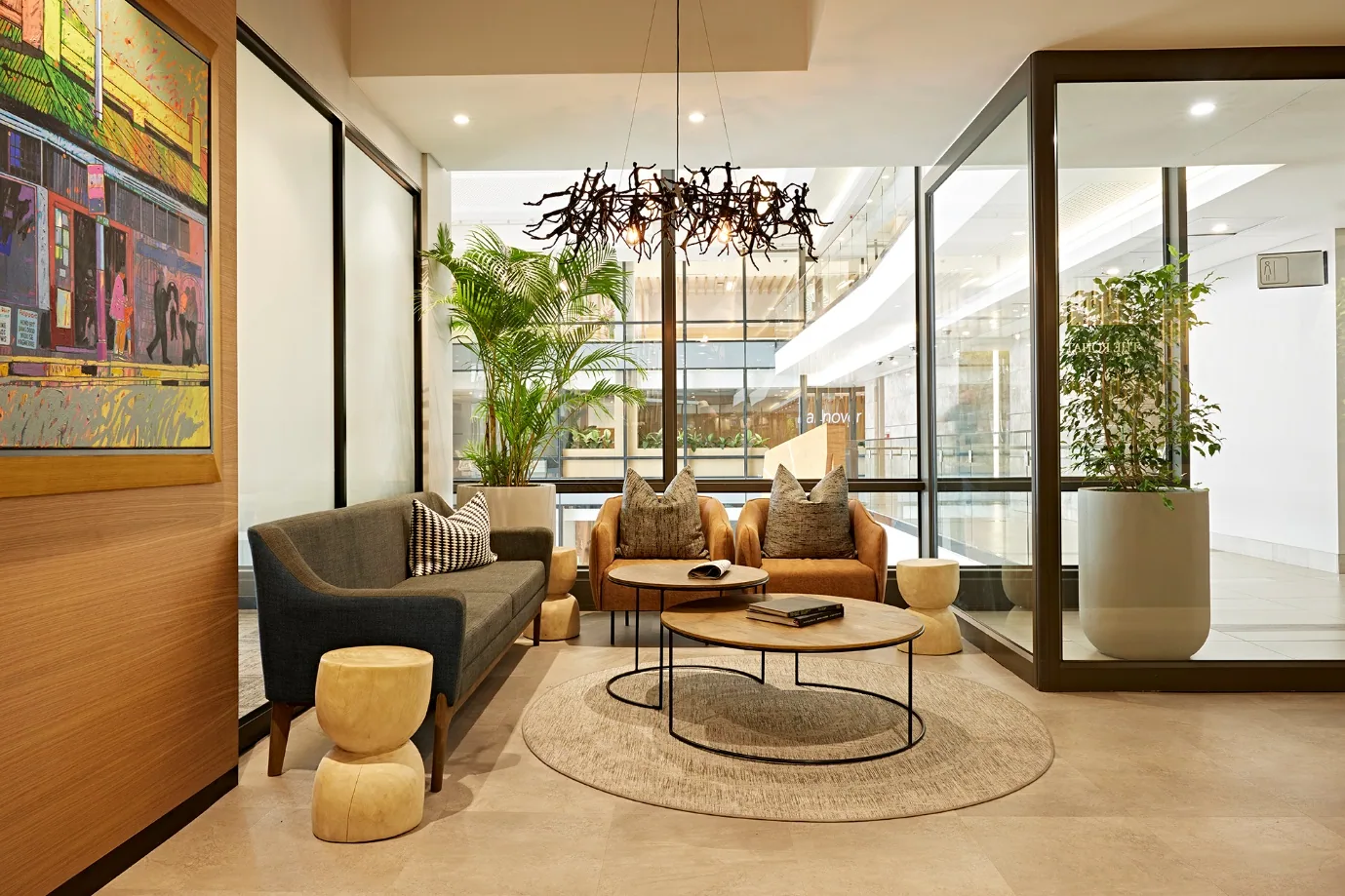
Colour palettes tend to be refined and often lean towards neutral tones (whites, creams, greys, taupes) as a foundation, accented by richer hues or metallic touches for depth and visual interest. The focus is on creating a sense of calm and elegance.
Craftsmanship
Modern luxury values unique, handcrafted pieces over mass-produced items. This could include custom furniture, artisanal lighting fixtures, or handcrafted decorative objects that add character and individuality to the space.
Comfort and Functionality
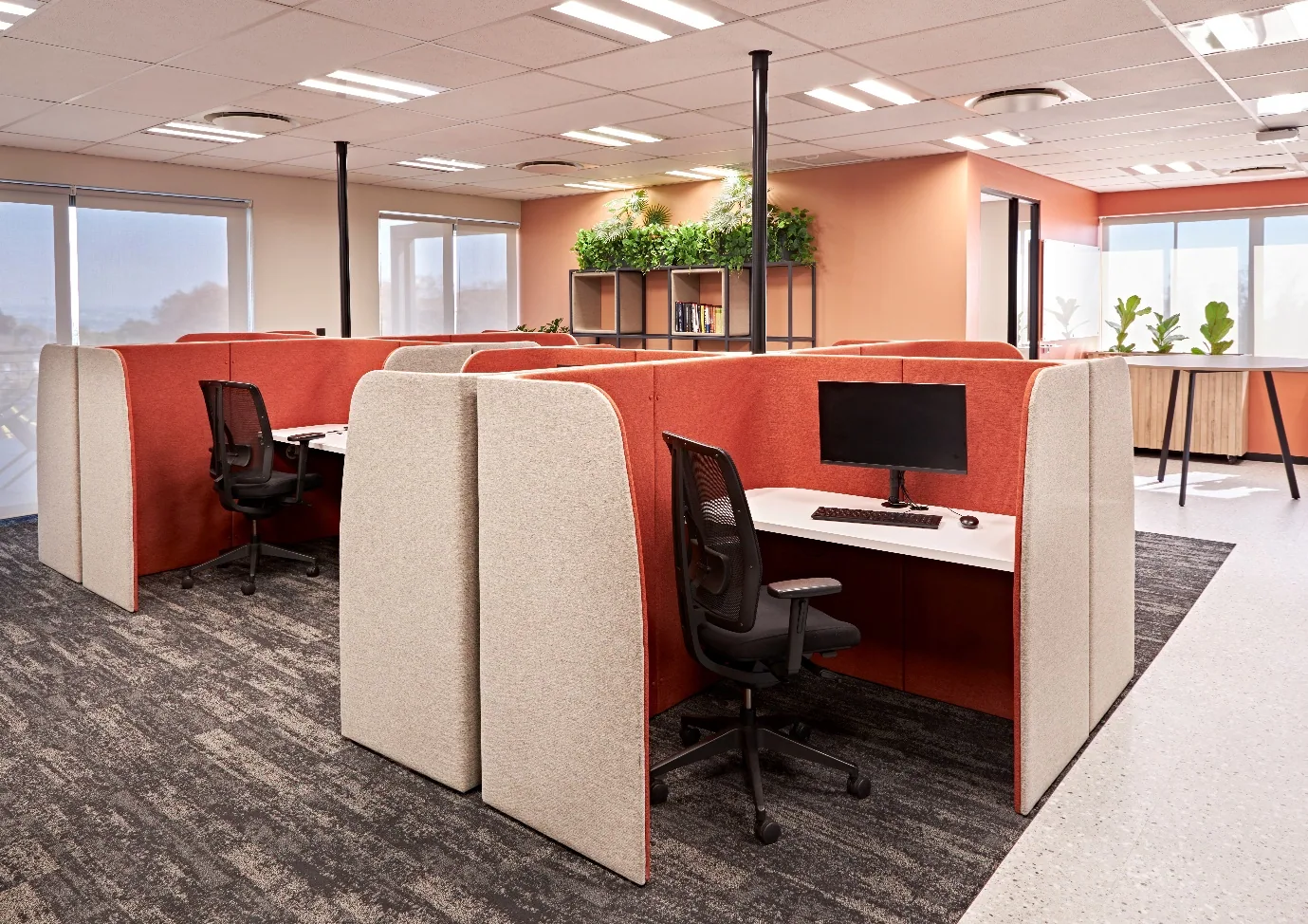
Aesthetics are important, but not at the expense of comfort and usability. Ergonomic furniture, intuitive layouts, and well-considered storage solutions contribute to a luxurious living experience.
Curated Art and Accessories
Carefully selected artwork, sculptures, and decorative objects add personality and sophistication. These pieces are often chosen for their artistic merit and ability to evoke emotion.
Biophilia
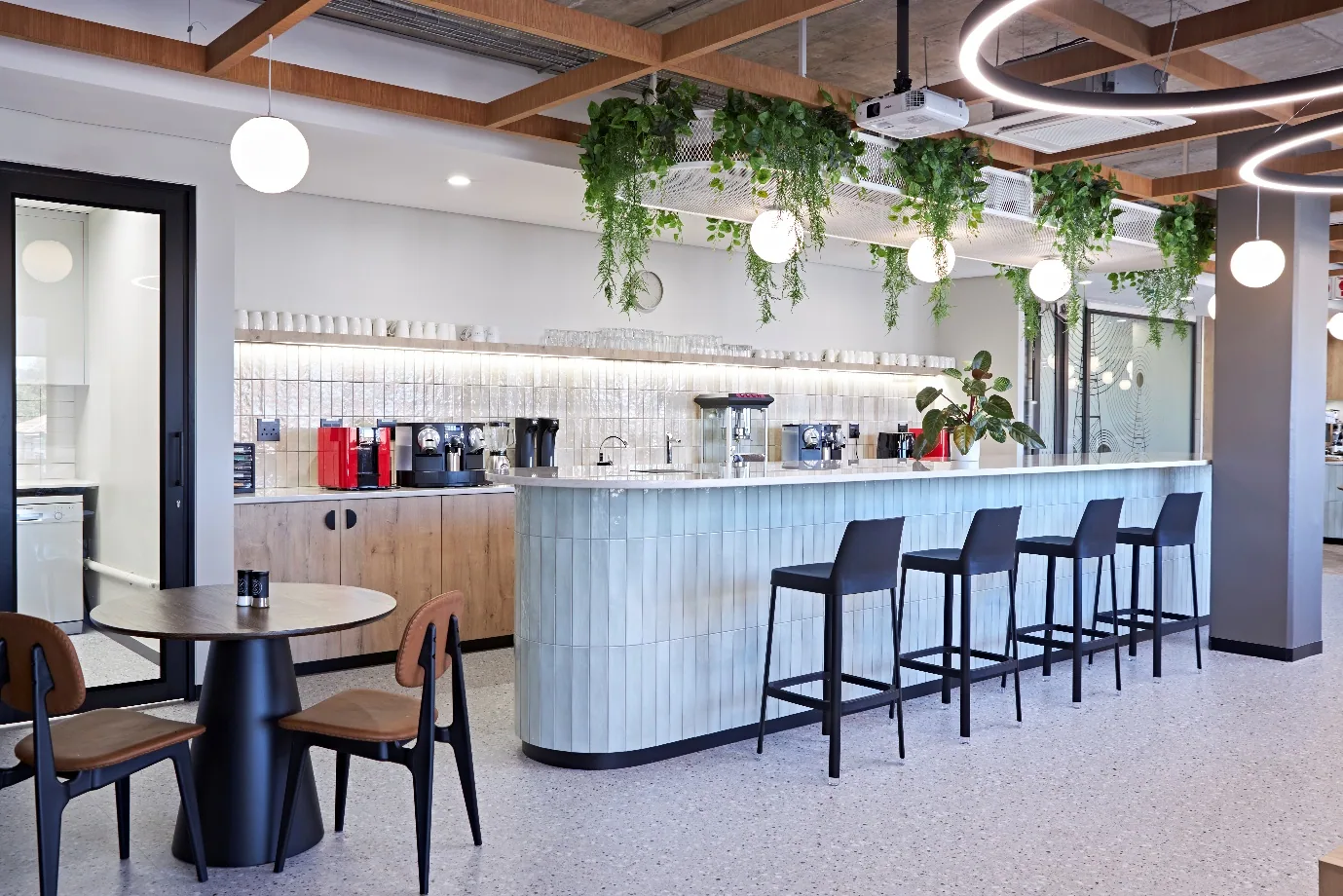
Incorporating natural elements like indoor plants, natural wood finishes, and water features connects the interior with the outdoors, promoting a sense of well-being and tranquillity.
Ornate Detail & Layering
Every element, no matter how small, is carefully considered. This includes the selection of hardware, the finish of surfaces, and the quality of the smallest accessories. It's the meticulous attention to detail that elevates a space to modern luxury.
Modern luxury is ultimately less about displaying success and more about designing spaces that feel meaningful, timeless and deeply human.