
Today, post pandemic, retail is said to be in a state of reflection and taking stock. This ‘retail reset’, requires a blank space to rethink metrics and the value of the bricks and mortar store as a key marketing channel.
Digital technology has simplified some of retails complexities, streamlining Design, Automation, Consumer Data and Media. Retail has always required a balancing act of not just the ‘what is being sold’ but ‘how the brand is relevant in the consumer’s life’. (Accenture 2023)
For the last couple of years, society has emerged from being ‘cooped up at home’ and is rediscovering the value of public spaces. Mixed use has always been a way to invest in shared public spaces, with the marketplace at its core.
While online shopping has flourished in the pandemic, giving consumers convenient and safe access to both goods and services, brick-and-mortar retail remains unmatched in “try before you buy” experiences.
Even before the pandemic, retailers have been discussing a blended “pixels and bricks” approach that leverages the strengths of physical stores. This strategy aims to create an engaging space that inspires consumers and invites them to experience the brand in person.
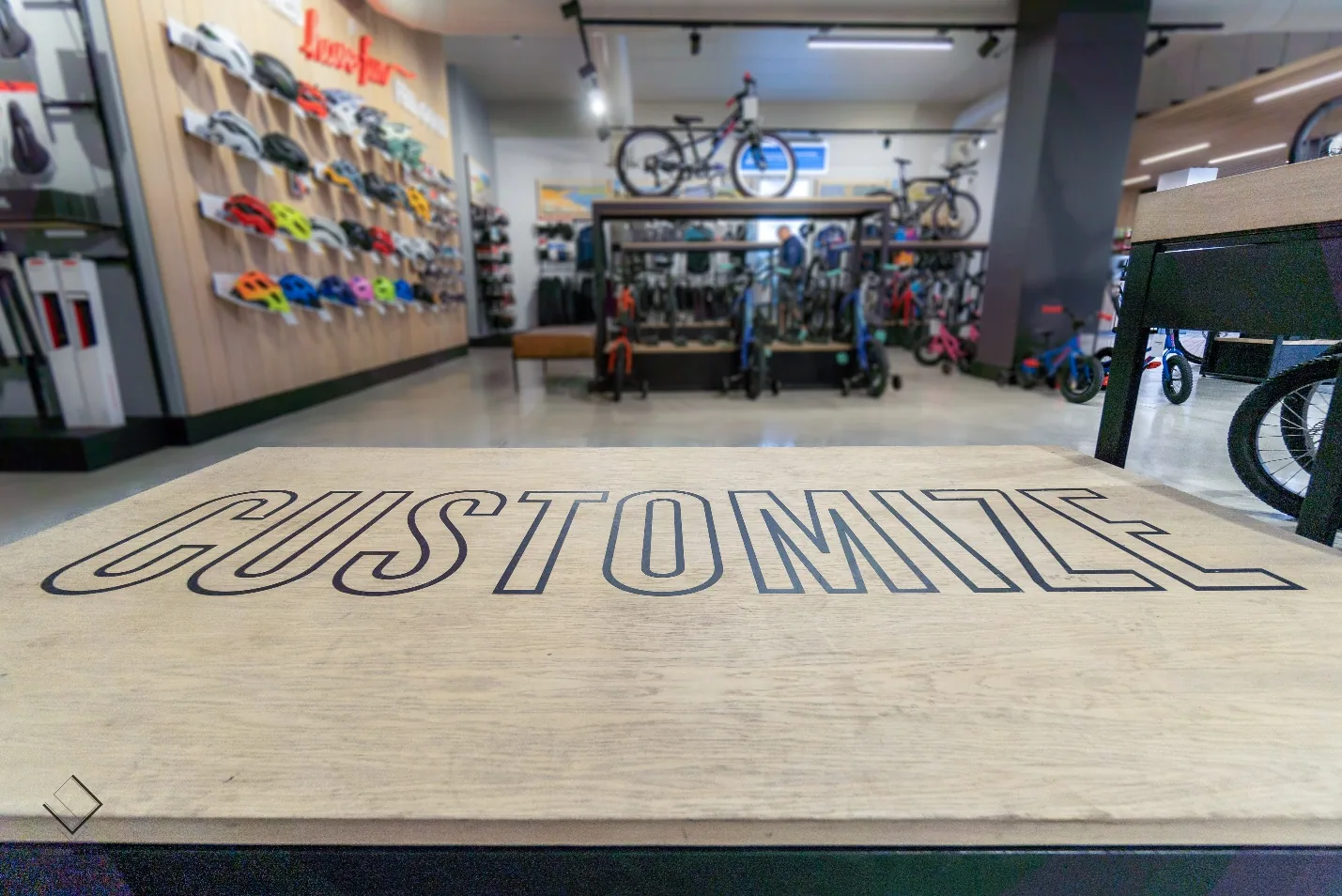
The Flagship Store
Traditionally the flagship leads the store fleet with generous space, premium and exclusive products all within a prime location. It ticks every box.
‘Flagship stores aim to provide the best shopping experience for the customer, which currently means a stimulating multi-sensory space that offers culture, comfort and reassurance amid uncertainty.’ (WGSN 2024)
Today, a flagship store definition leans more towards a concept store. It is not just a catchall for everything the online channel cannot do.
The ambition is to embody the brand. It is about charging a space with brand values as well as tactile elements - all supported by really great service. It’s not always glossy but it always stands for something beyond the point of purchase.
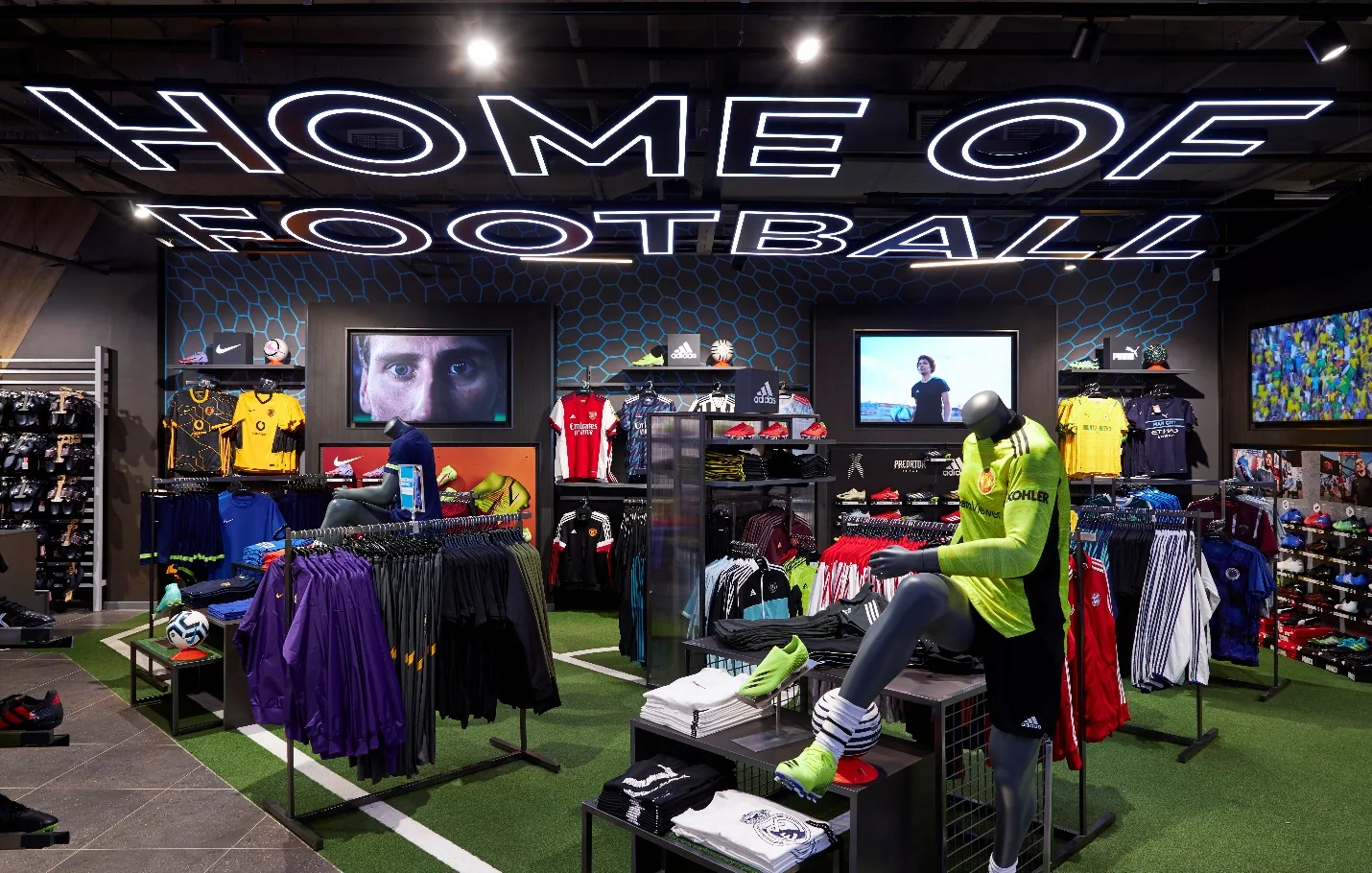
Finding place and purpose: Should every store be a flagship store? (Retail Dive). Creating spaces that offer tactile brand experiences, such as trying on items, getting same-day purchases, and managing returns, is essential.
Digital-native brands entering physical retail exemplify this flagship approach, translating their brands into physical spaces seamlessly, without being overly concerned with traditional retail metrics (those considerations usually come later).
By leveraging digital technology to handle tedious tasks, the store experience can focus on connecting with customers.
Stores are establishing a more reciprocal relationship with consumers. Retailers are shaping a new era of service-based retail, meeting this demand with community events and co-creation initiatives. (WGSN 2024)
The flagship store is therefore becoming less about scale and status, and more about creating a physical expression of what the brand stands for.