In the final article in our Workplace Redefined series, we look at the growing role of emotion in workplace design and why the spaces we create should not simply function well, but make people feel good too.
Places that evoke this feeling can be found anywhere, from a quiet Karoo café to a quaint bookstore you happen to stumble upon. Every detail feels deliberately designed to lift your mood.
Look around and you’ll start to notice little bursts of joy everywhere. One of the most expressive industries leading this shift is fashion. Bold stripes, bright colours, and playful two-tone sneakers are hot off the runway and trending worldwide. The dopamine dressing movement marks an exciting turn toward styles that are vibrant, colourful, and unapologetically fun, and the science behind it builds a compelling case for what we might be missing in our workplaces.
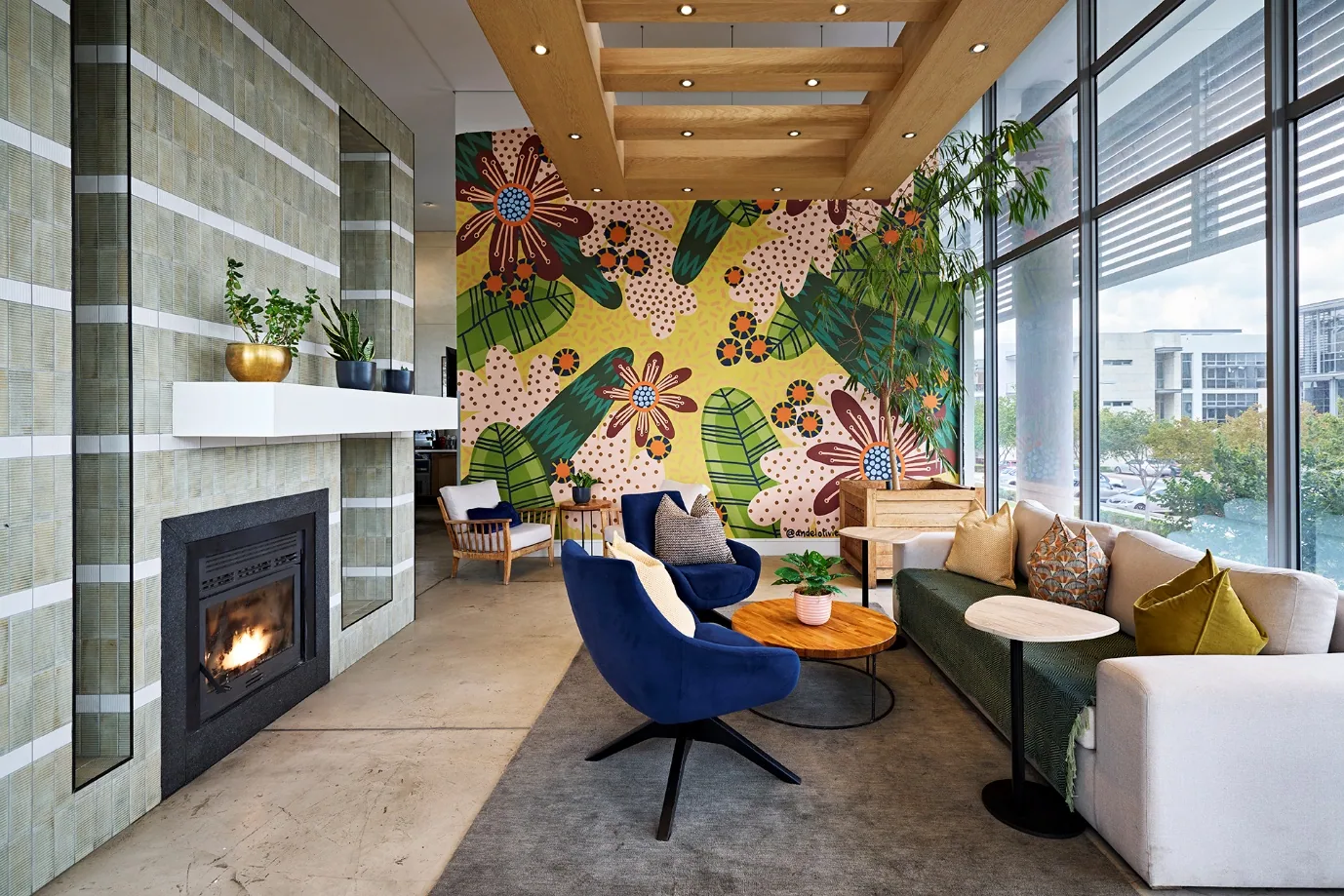
This feel-good energy isn’t confined to our wardrobes. It’s spilling into the spaces we live and work in too. Increasingly, we’re realising that workplaces should spark experience, feel like home, and bring a genuine sense of joy to our everyday lives. In the evolving story of workplace design, dopamine design has emerged as the next frontier, a joyful antidote to sterile mediocrity. Where biophilia reconnects us with nature, dopamine design reconnects us with joy. It’s about creating spaces that feel alive, uplifting, and emotionally engaging, places people want to be, not just have to be.
Workplaces should be designed to evoke positive emotions, not just function efficiently.
Great workplace design goes beyond productivity and ergonomics. Spaces that create joy, curiosity, and comfort can improve motivation, engagement, and overall wellbeing.
Dopamine Design is rooted in neuroscience.
Dopamine is released in response to anticipation, novelty, colour, texture, light, and social interaction. By intentionally incorporating these sensory elements, designers can create environments that naturally boost mood and encourage engagement.
Dopamine design is rooted in neuroscience, recognising how our surroundings influence emotion, behaviour, and cognitive performance. Dopamine, often referred to as the brain's "feel-good" neurotransmitter, is released in response to anticipation, novelty, colour, texture, natural light, movement, and positive social interaction. By intentionally weaving the sensory experiences into the built environment, designers can create spaces that naturally elevate mood, spark curiosity, and sustain engagement.
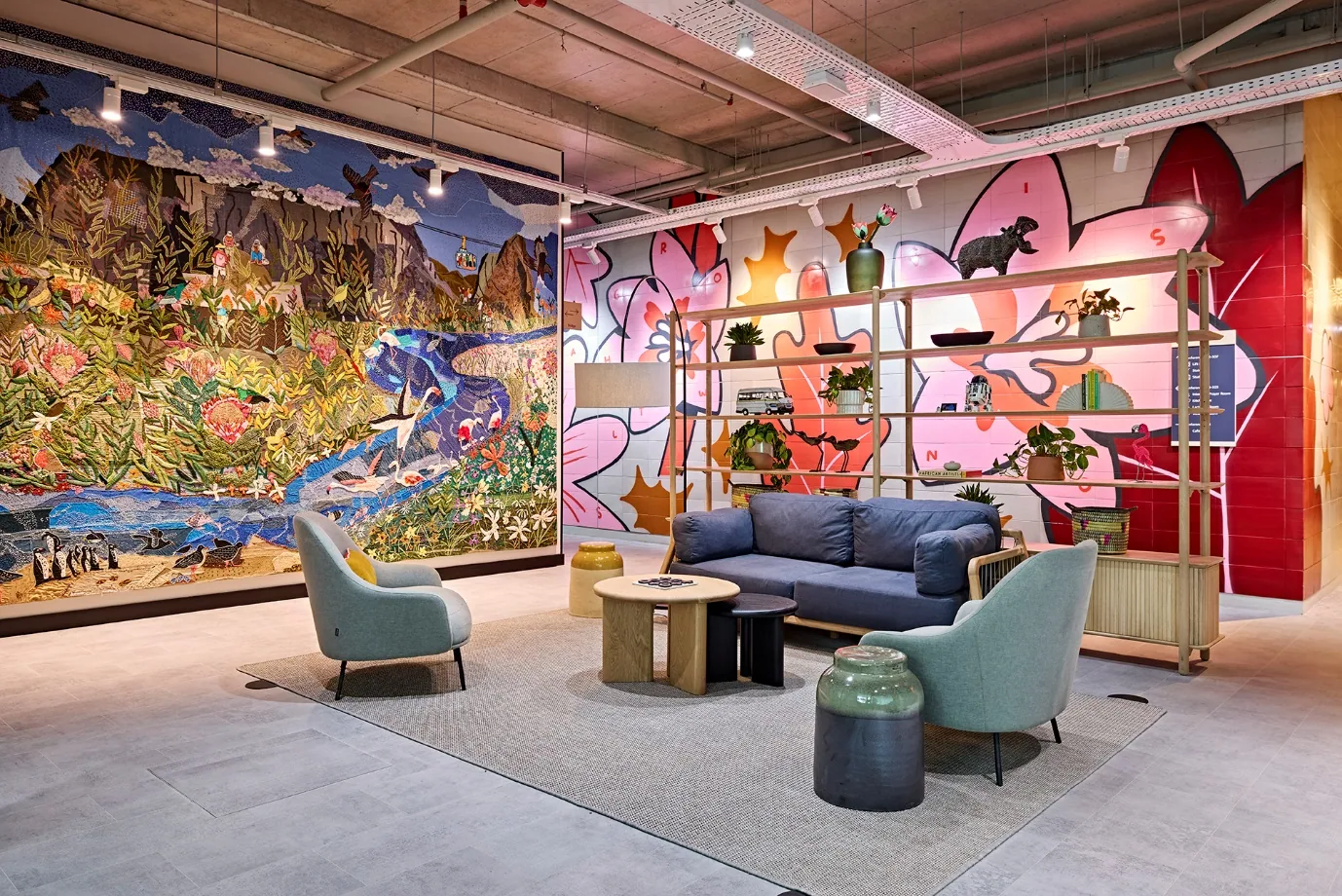
In the workplace, dopamine design goes beyond aesthetics. It uses a thoughtful combination of colour, biophilic elements, varied materials, dynamic lighting, and opportunities for collaboration and discovery to create environments that feel stimulating without being overwhelming. The result is a workplace that supports creativity, wellbeing, motivation, and productivity, while encouraging people to connect with both the space and one another.
Small Interventions have significant impact.
Joy doesn't require expensive renovations. Bold colours, playful patterns, personalised spaces, natural light, tactile materials, and unexpected design moments can all contribute to a more uplifting workplace experience.
Joy is a strategic design tool, not just an aesthetic choice.
Drawing on Ingrid Fetell Lee's Aesthetics of Joy, the article explains that elements such as energy, play, surprise, harmony, and renewal can strengthen creativity, belonging, organisational culture, and employee wellbeing.
Leading organisations are already embracing dopamine-inspired workplaces.
Companies such as Google, Lego, Adobe, and Miro use colour, playfulness, texture, and cultural identity to create memorable workplaces that support innovation and collaboration, showing that emotional design is becoming a global trend.
Inclusive design requires balancing stimulation with calm.
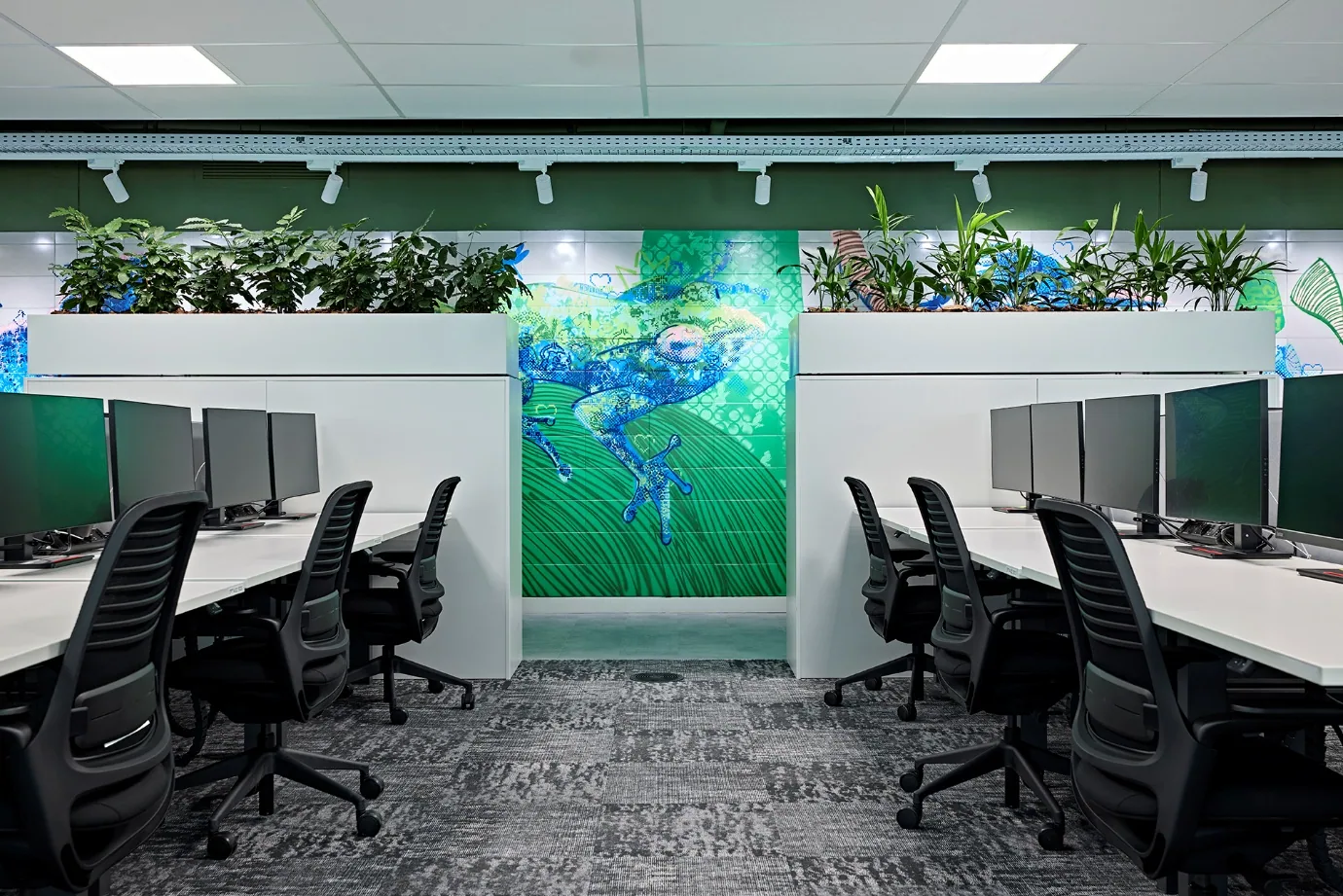
Dopamine design is especially relevant for neurodiverse workplaces, but it should provide a range of experiences. From vibrant collaboration spaces to quiet focus zones, individuals can choose the environment that best suits their needs.
The future of workplace design is measured by how people feel.
The article concludes that successful workplaces are no longer judged only by efficiency or floor area, but by their ability to foster connection, meaning, and a genuine desire for people to return. Designing for joy ultimately supports better performance and stronger workplace culture.
Workplace Redefined
The defining workplaces of 2026 are not louder, trendier, or more complex. They are more human.
Modern luxury prioritises meaning over excess. Neuroinclusive design recognises cognitive diversity as a strength. Dopamine design acknowledges that emotion is central to performance.
Together, these approaches represent a shift in how success is measured. Not only by efficiency or density, but by how people feel, function, and belong.
When workplaces are designed with intention, inclusivity, and emotional intelligence, they become places people want to return to.