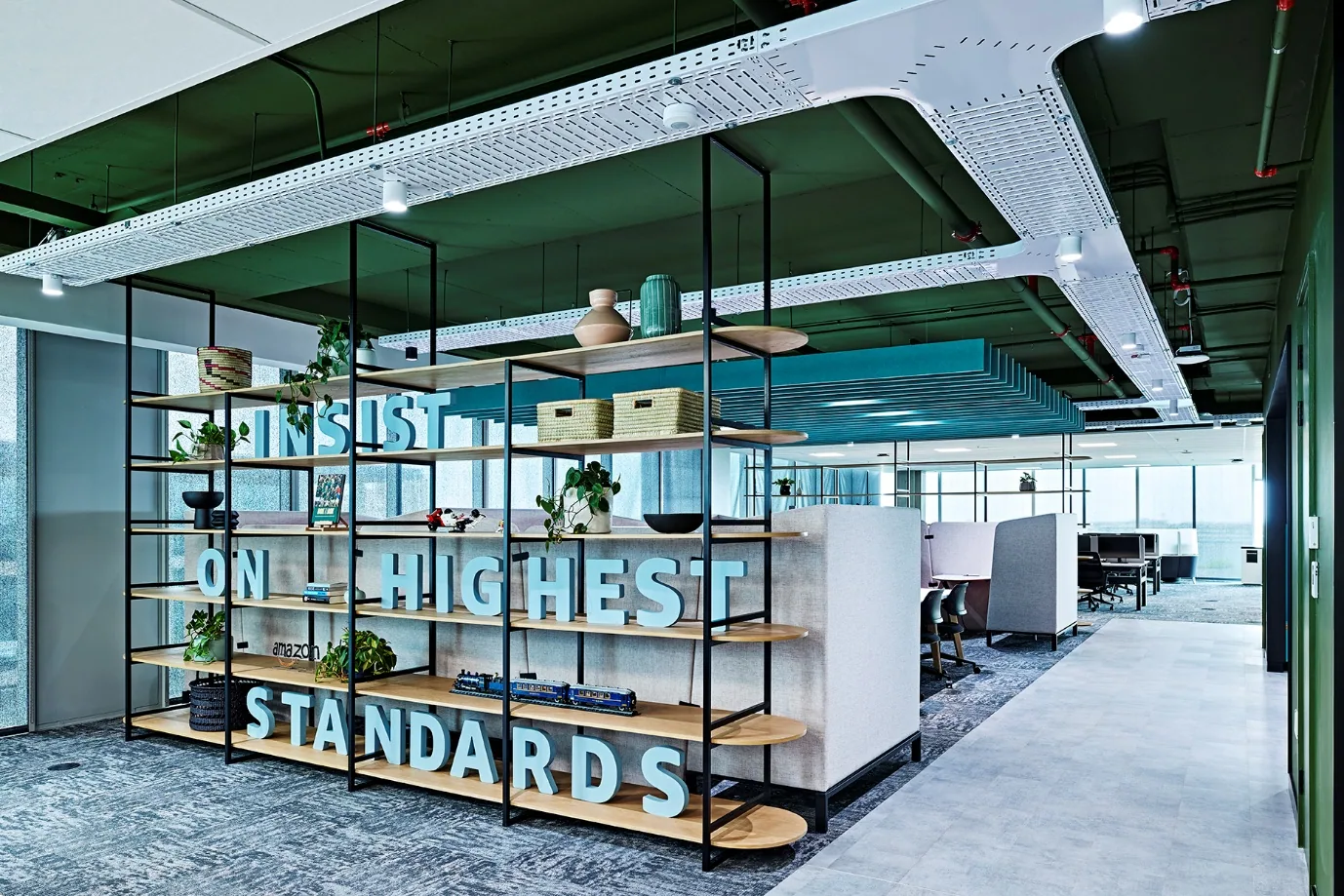
The workplace is experienced differently by everyone. In the second of our Workplace Redefined series, we explore why designing for neurodiversity means moving beyond one-size-fits-all environments.
Humanising Place, Prioritising All People
Embracing neurodiversity in workplace design is not a passing trend; it is a profound shift towards a more inclusive, productive and creative future.
By moving beyond one size fits all models, organisations have the opportunity to design environments that celebrate a spectrum of sensory needs, cognitive styles and working preferences. This means rethinking everything from spatial layouts and lighting strategies to acoustic zoning, furniture choices and wellness amenities. Such spaces do more than simply accommodate; they actively empower people to perform at their best, spark innovation and nurture a culture of belonging. In doing so, we create workplaces where every mind feels seen, supported and valued, transforming inclusion from an abstract ideal into a tangible everyday experience.
Noise remains a critical and complex issue
More people can use the same space comfortably if shared, and those with assigned desks who may sit longer can change postures and keep moving.
Awareness of neurodiversity is growing
Research suggests that 15-20% of people are neurodivergent.
In any workplace, this represents a significant portion of the workforce whose needs are often invisible and unmet. When design fails to accommodate them, the cost is high: increased stress, burnout, and ultimately, the loss of valuable talent.
Many neurodivergent individuals experience heightened or diminished responses to sensory input. Lighting, acoustics, textures, and even spatial movement patterns can profoundly impact whether a space supports inclusion, focus, and well-being, or unintentionally creates barriers.
Variety supports productivity
Designing for neurodiversity requires moving beyond aesthetics to embrace the full spectrum of human experience.
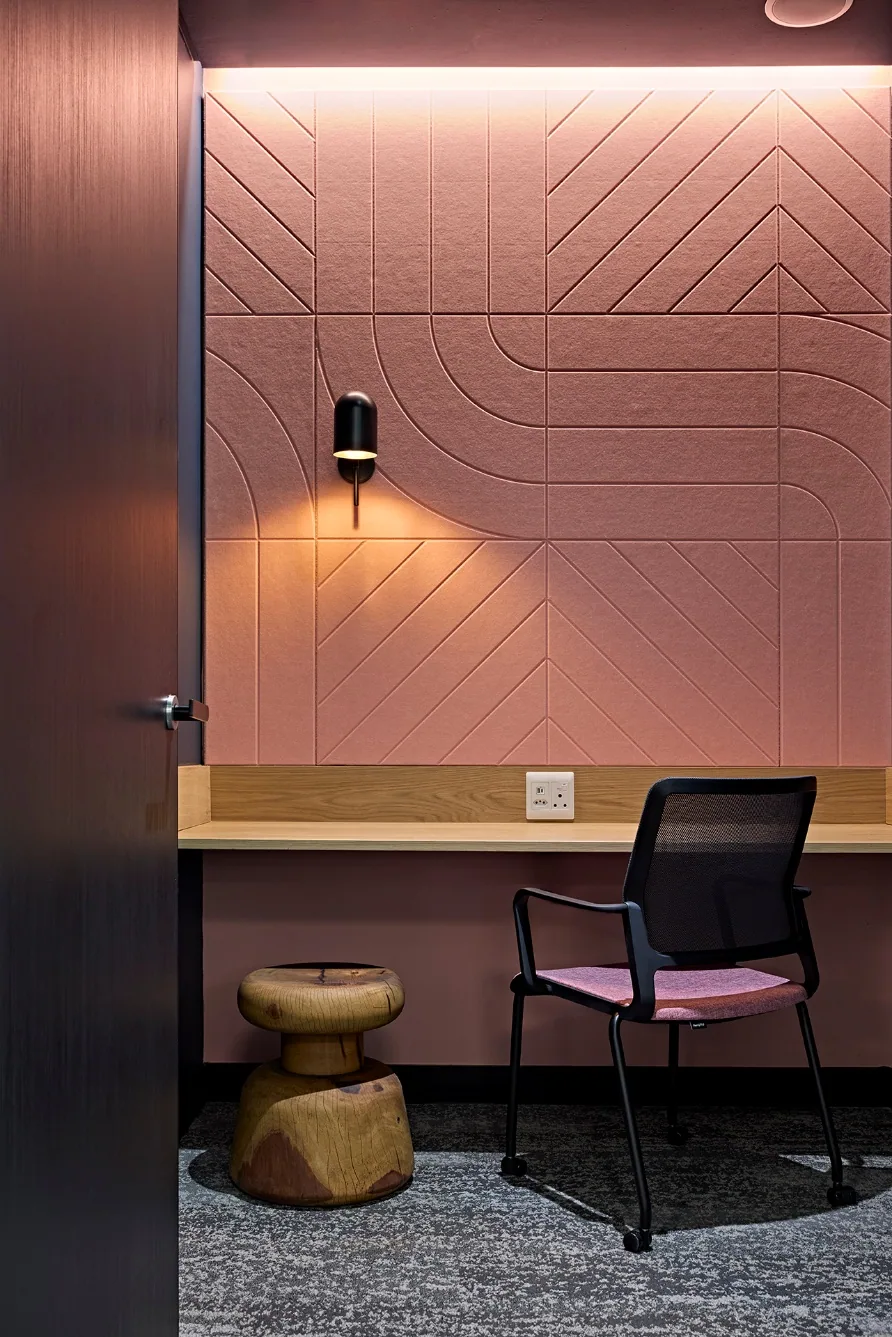
Design is no longer one-size-fits-all
Inclusive design challenges the assumption that everyone experiences space in the same way and exposes how limiting that belief has been.
Inclusion is strategic, not symbolic
Neuroinclusive workplaces unlock creativity, innovation, and resilience offering a competitive advantage, not just moral alignment.
Diversity for neurodiversity
Providing a variety of options ie quiet, social, active, calm allows people to self-regulate and work in ways that suit their cognitive needs.
Form, Colour, Texture
Designing for all the senses is essential to creating meaningful spaces; great design goes far beyond aesthetics alone. Designers must think carefully about the patterns, shapes, textures, lighting, and materials they use, and how these elements may affect individuals who are more sensitive to sensory stimulation or overload.
From a young age we are taught that we only have five senses, yet neuroscience and occupational therapy have long recognized that there are actually eight.
For designers, this is a detail that should not be overlooked. The environments we shape can either regulate or dysregulate the sensory systems, influencing how people think, feel, and behave within a space.
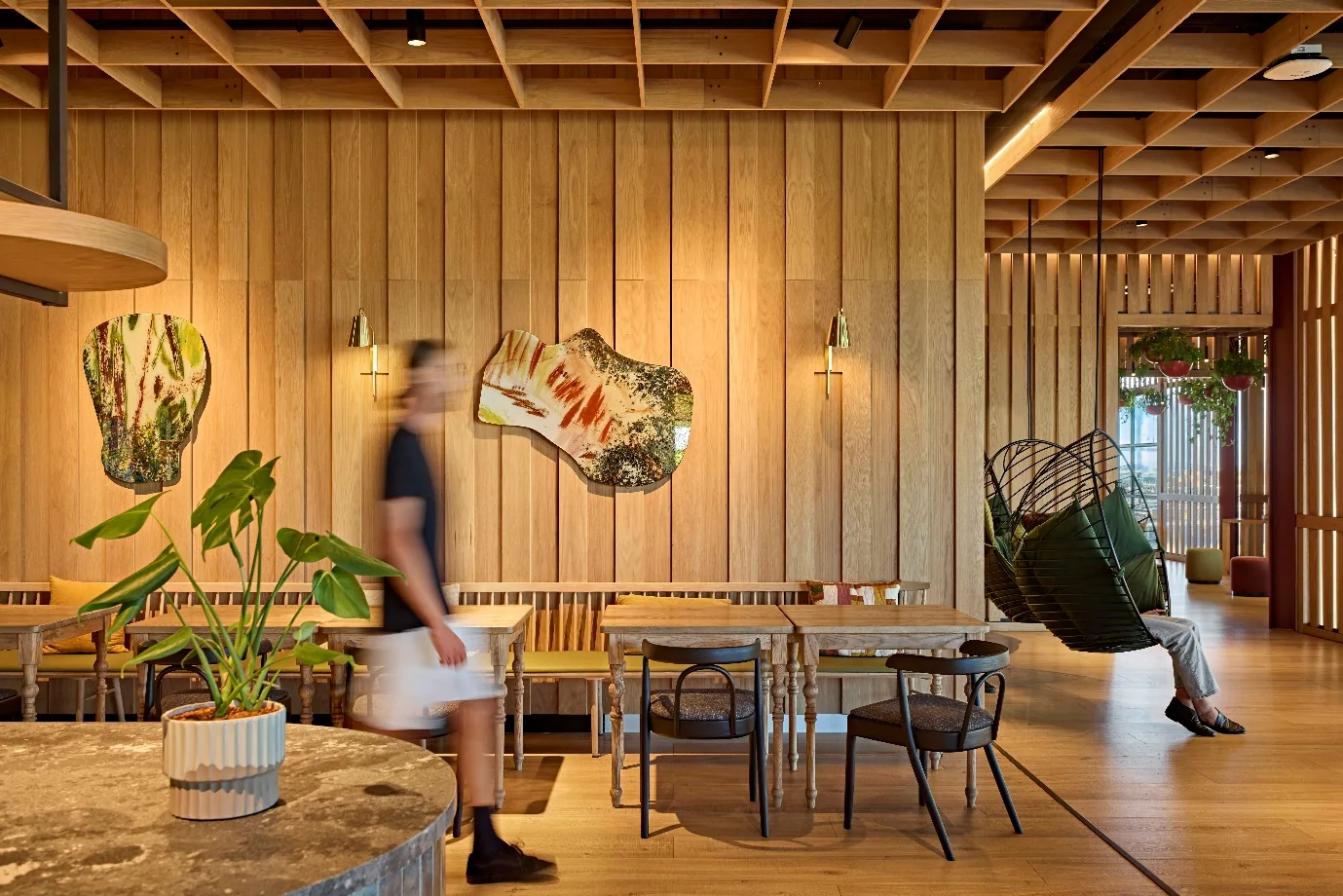
This insight becomes particularly powerful in the context of neurodiversity. Many neurodivergent individuals experience heightened or diminished responses to sensory input. Lighting, acoustics, textures, and even spatial movement patterns can profoundly impact whether a space supports inclusion, focus, and well-being, or unintentionally creates barriers.
Designing with all eight senses in mind reframes our responsibility. It challenges us to move beyond aesthetics or function alone toward a model of truly inclusive design that acknowledges the full spectrum of human experience. When we do this, we not only create better workplaces but also advance a culture of belonging.
Reducing visual clutter improves clarity
Simplicity in design does not mean spaces should feel sterile or devoid of character; rather, it involves creating environments where every element has purpose, balance, and visual harmony.
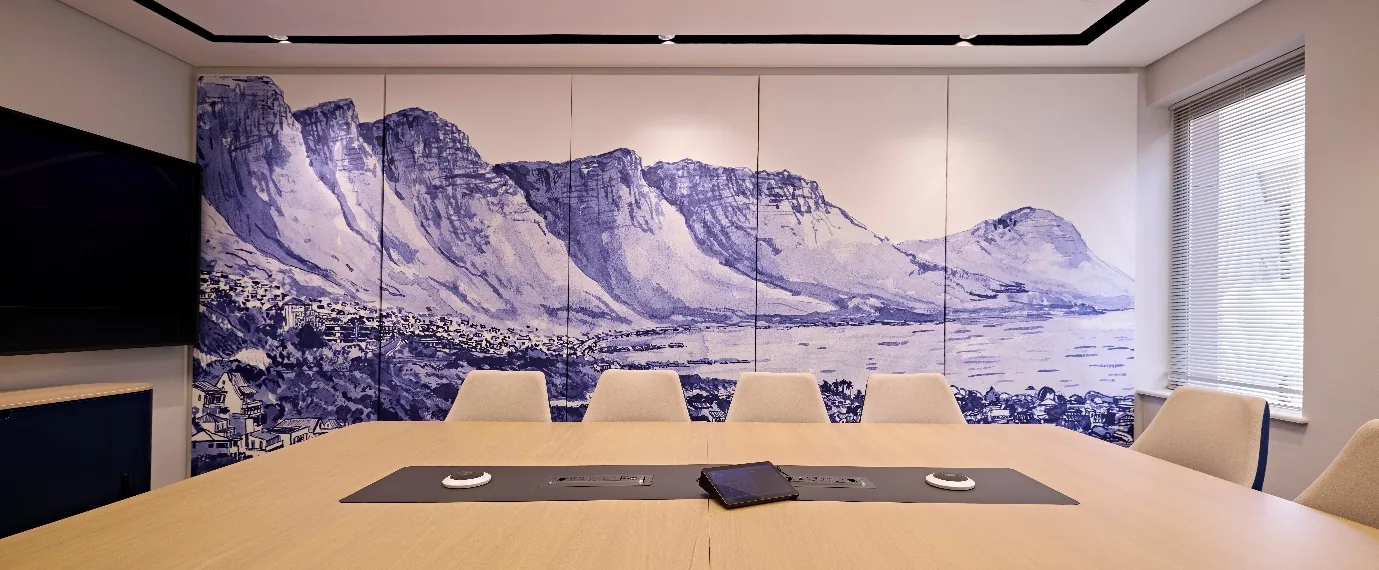
Nature is one of the greatest equalisers, offering a universal sense of connection, calm, and familiarity
Drawing inspiration from nature’s order, proportion, and balance helps create environments that feel more restorative and less stressful. In neuroinclusive design, clear lines of sight and predictable spatial layouts further enhance comfort, orientation, and perceived safety.
Unobstructed views and intuitive navigation reduce cognitive load, making spaces easier to understand and less mentally demanding, particularly for individuals who are more sensitive to sensory input.