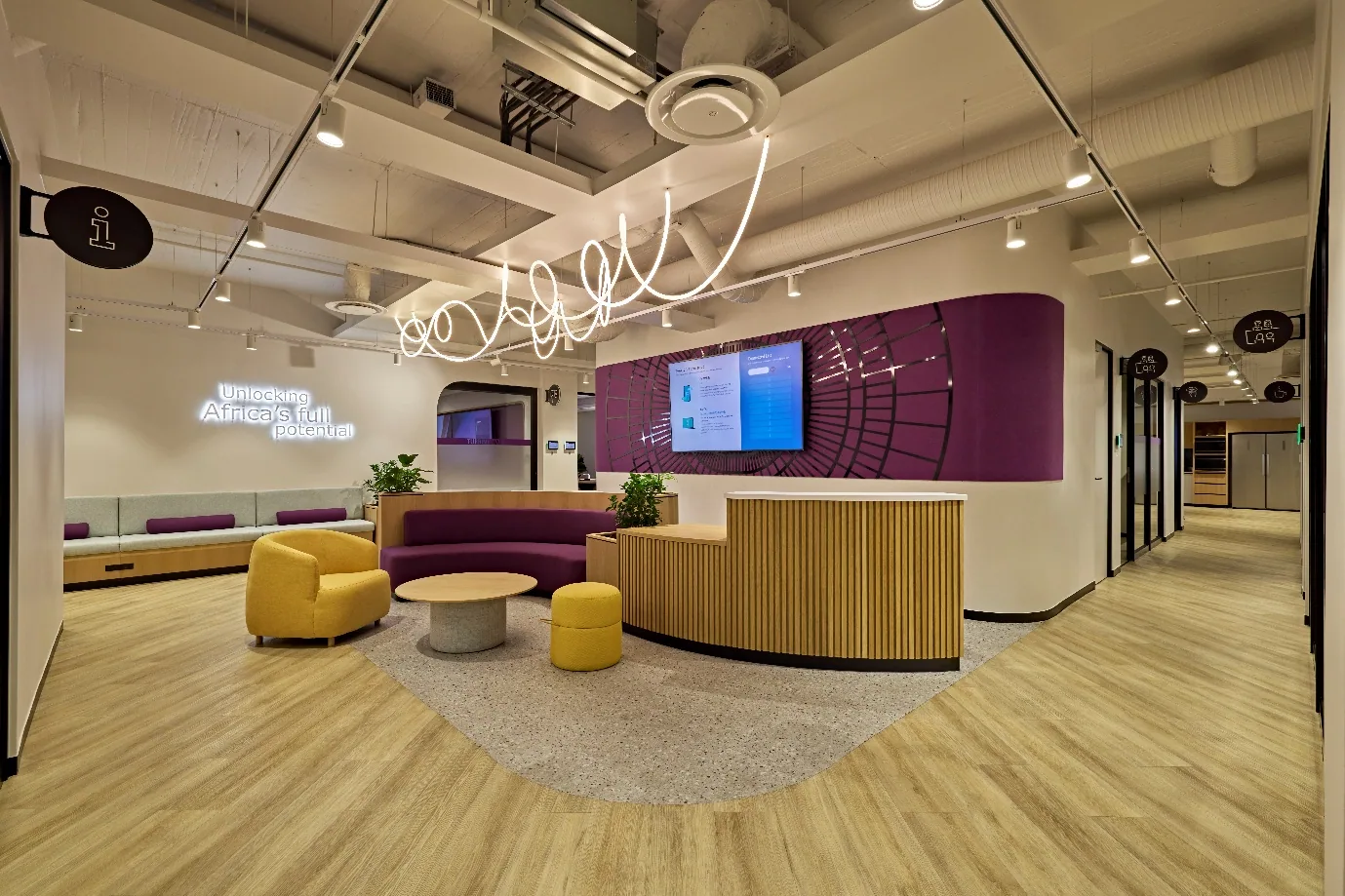
Workplace design in 2026 is no longer about space efficiency or visual appeal alone. It has become a strategic tool that shapes culture, performance, wellbeing, and brand perception.
In the first of our Workplace Redefined series, we explore how our understanding of luxury is changing — moving away from material excess towards quality, authenticity, comfort and meaningful experience.
Luxury has moved beyond material display
Modern luxury is no longer defined by visible wealth or overt statements. It is shaped by experience, intention, and emotional resonance. In the workplace, this means environments that feel considered calm, and human rather than excessive or performative.
Quality now outweighs quantity
Fewer, better materials selected for durability, tactility, and authenticity define refined environments. Luxury is expressed through restraint rather than abundance.
Sustainability is no longer optional
Environmental responsibility and ethical sourcing are now fundamental to how luxury is perceived. Longevity, reuse, and conscious material selection underpin contemporary quality.
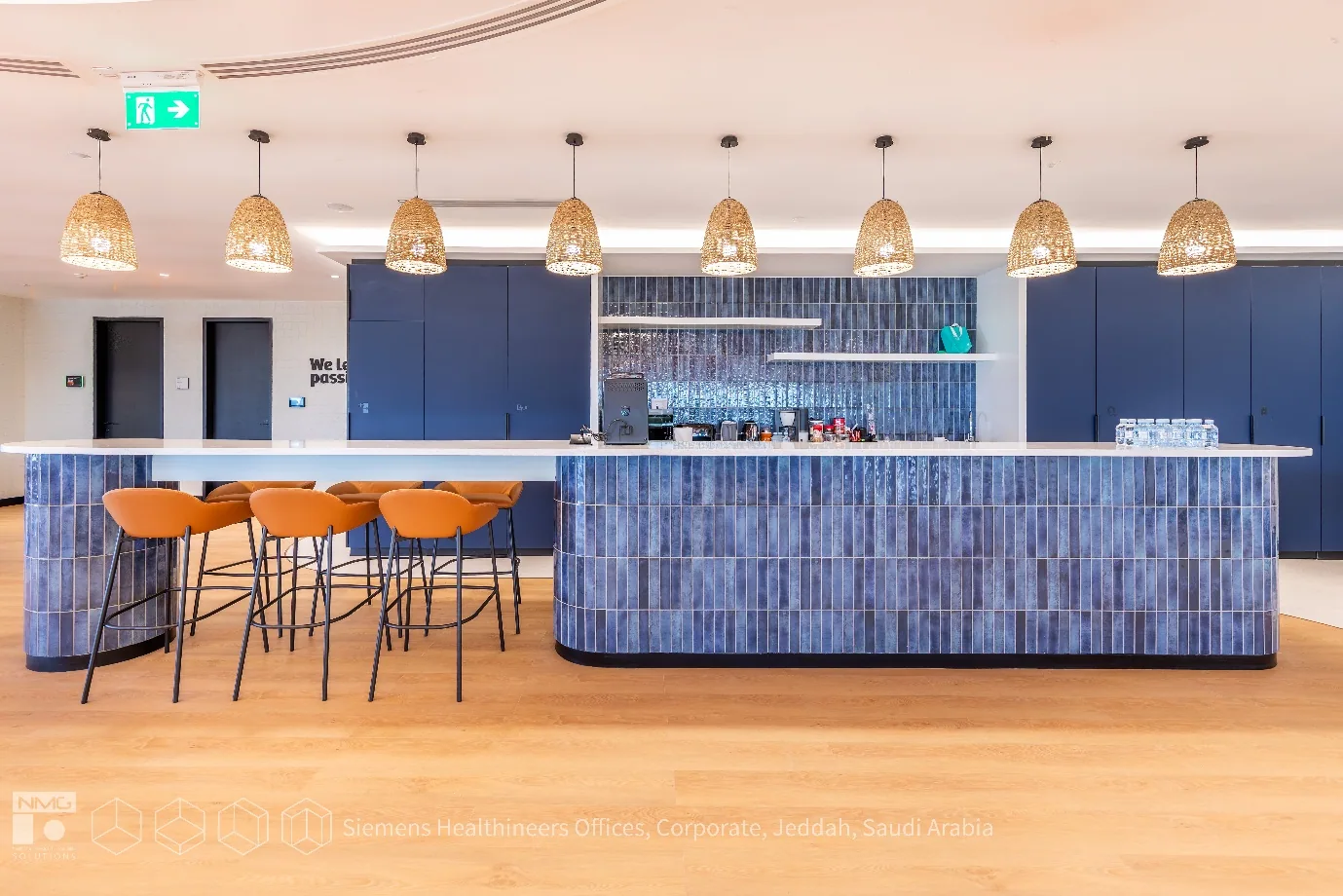
Authenticity drives value
Spaces that genuinely reflect organisational values resonate more deeply than generic design languages. Authenticity has become a key currency of trust and engagement.
Moving beyond Materialism to redefining luxury
As workplaces continue to evolve beyond purely functional environments, design has emerged as a powerful medium for expression, experience, and connection. The office is no longer a neutral backdrop for work, but an active storyteller that communicates an organisation’s identity, culture, and purpose through spatial planning, materiality, and detail. This evolution has renewed the importance of craftsmanship, where bespoke and carefully considered elements introduce individuality, tactility, and a sense of care that mass-produced solutions cannot achieve.
At the same time, comfort has become a defining marker of quality. Ergonomic furniture, intuitive layouts, and spaces that support both focus and ease signal a deeper understanding of human needs, reinforcing the idea that true workplace luxury is felt, not merely seen.
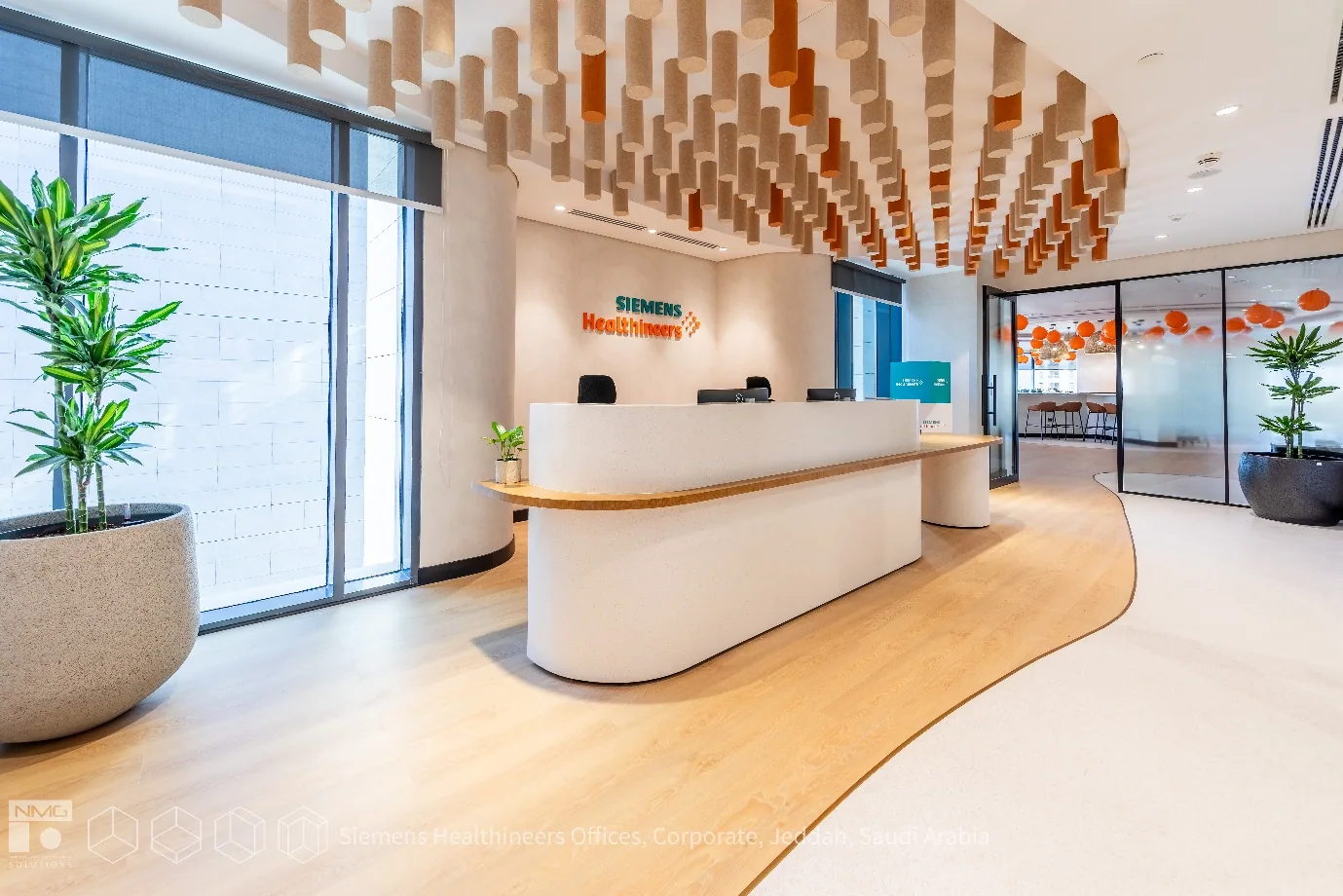
Storytelling has become spatial
Workplaces increasingly communicate identity, culture, and purpose through layout, materiality, and detail, transforming space into narrative.
Craftsmanship has regained importance
Bespoke, handcrafted, and carefully detailed elements reintroduce individuality and human scale, setting spaces apart from mass-produced environments.
Modern luxury values unique, handcrafted pieces over mass-produced items. This could include custom furniture, artisanal lighting fixtures, or handcrafted decorative objects that add character and individuality to the space.
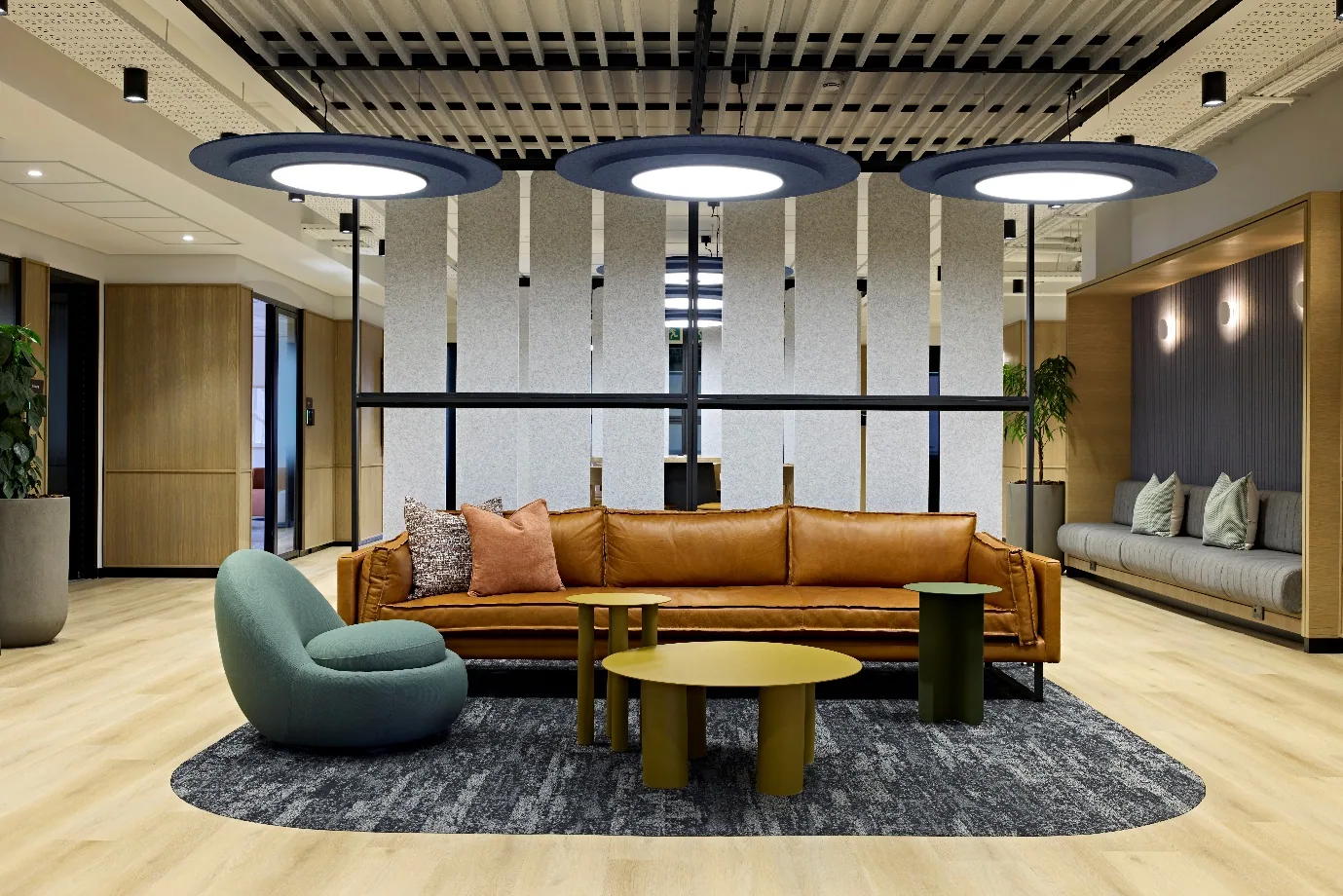
Comfort is recognised as a luxury
Ergonomic furniture, intuitive planning, and physical ease are no longer secondary considerations. Comfort is central to perceived quality and performance.
Aesthetic restraint enables emotional depth
Visually calm environments allow people to relax, focus, and connect. Rather than overwhelming users, restrained design creates space for emotional engagement, subtlety, and long-term comfort.
Sophisticated colour palettes prioritise neutrality with emphasis
Neutral foundations provide calm and flexibility, while selective accents add richness and personality. This approach allows spaces to feel elevated without becoming overstimulating or trend driven.
Ornate detail has been replaced by considered layering
Every element, no matter how small, is carefully considered. This includes the selection of hardware, the finish of surfaces, and the quality of the smallest accessories. It’s the meticulous attention to detail that elevates a space to modern luxury.
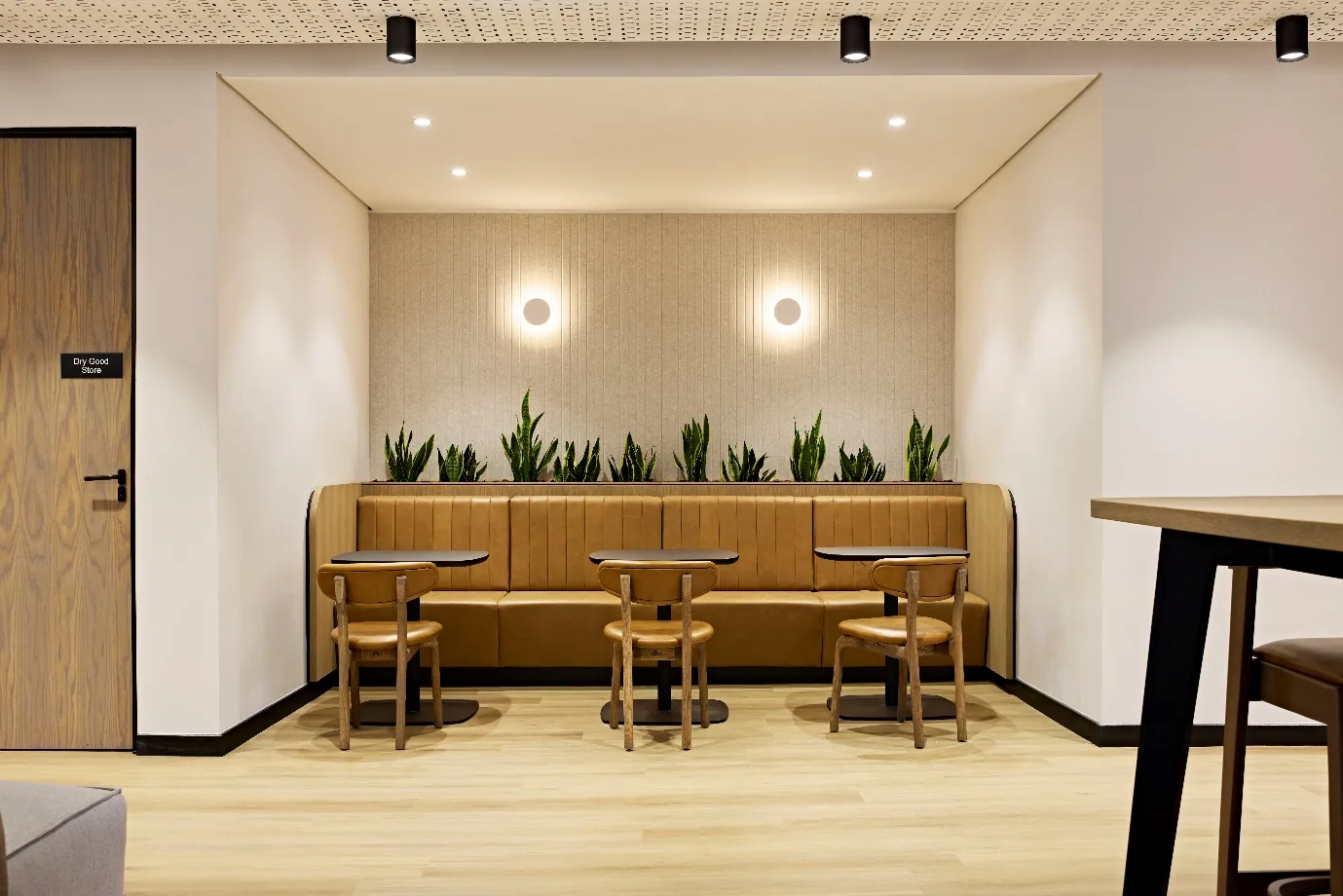
Biophilia has evolved
In design, biophilia translates into creating environments that reconnect people with nature in meaningful ways. This goes beyond simply adding plants. It includes the use of natural light, ventilation, organic forms, natural materials, views to the outdoors, and patterns or rhythms found in nature. When applied thoughtfully, biophilic design has been shown to reduce stress, improve cognitive function, enhance mood, and support overall wellbeing.
Gen Z is entering the workforce, bringing with them a heightened focus on sustainability, wellbeing, and health. Their expectations are shaping workplace design, as they prioritize environments that support physical comfort, mental wellness, and environmentally responsible practices. This cohort values spaces that balance functionality with emotional and ethical considerations, influencing companies to adopt thoughtful, human-centred design strategies that reflect these priorities.
The home is where the heart is. A warm, calming neutral palette creates an environment that feels familiar, inviting, and easy going.